The Human Gut Cell Atlas v1.0: A Unified, Community-Built Reference of Cellular Diversity Across the Gut
Cite
Kimler, K., Lance, C., Bohar, B., Ahmed, A., Zhou, R., Bartolome-Casado, R., Gudino, V., Ramirez Flores, R.O., Junghus, F.V., Morbe, U.M. and Domanska, D., 2026. The Human Gut Cell Atlas v1. 0: A Unified, Community-Built Reference of Cellular Diversity Across the Gut. bioRxiv, pp.2026-10.
https://doi.org/10.64898/2026.10.09.753994
Abstract
Single-cell RNA-sequencing (scRNA-seq) studies have transformed our understanding of cellular diversity in the human intestine, but differences in anatomical sampling, experimental processing and cell-type nomenclature limit comparison across datasets. Here, we present the Human Gut Cell Atlas (HGCA) V1, a community-curated reference of 944,390 healthy and disease-adjacent intestinal cells from 502 samples, 265 donors and 24 landmark studies, linked to detailed anatomical, clinical, and technical metadata. As this metadata is of critical importance to human biology, we developed MetaManager, an open source data management framework for standardized metadata collection and tracking. A five-level consensus taxonomy resolves 94 homeostatic cell identities and enables transferrable, high-resolution annotation of new gut datasets. By assembling cell identity, sampling metadata, and independent spatial validation, intestinal segment and radial tissue depth were revealed to systematically shape cellular composition and transcriptional state, enabling inference of the presence of sampling-dependent tissue niches, including lymphoid follicles. Reference mapping accurately and rapidly recovered cohort-level Crohn's disease and treatment signatures without de novo annotation, while mapping human intestinal organoids quantified cell-type-specific identity, regional specification, maturation, and transcriptional fidelity to native tissue. The HGCA V1 provides a standardized cellular, anatomical coordinate, and metadata system for reproducible, high-quality analysis of intestinal biology across healthy tissue, disease-associated remodelling, and experimental models, providing a continuously evolving community reference for cumulative discovery in human intestinal biology.
Datasets
Age group
Assay
Cell type (HGCA level1)
Cell type (HGCA level2)
Cell type (HGCA level3)
Cell type (HGCA level4)
Cell type (HGCA level5)
Cell type (HGCA v0)
Cell type
Cell type (QC lineage)
Cell type (atlas mapped)
Cell type (author)
Cell type (closest GCA)
Cell viability
Disease
Dissociation protocol
Donor living at sample collection
Cell type - canonical marker genes
Cell type - marker gene evidence
Sample ID
Sample collection method
Sample collection site
Sample collection year
Sample preservation method
Sample source
Sampled site condition
Sex
Subject ID
Tissue
Tissue (level 0)
Tissue (level 1)
Tissue (level 2)
Tissue source
Leiden clustering (lineage l1)
Absorptive Epithelial191,374 cells Secretory Epithelial42,241 cells Proliferative Epithelial32,891 cells Innate Lymphoid Cells (ILC)10,962 cells Dendritic Cells7,135 cells Enteroendocrine Cells (EEC)2,940 cells Smooth Muscle Cells (SMC)706 cells Follicle associated enterocyte (FAE)230 cells Memory B Cells45,602 cells Naive B Cells33,898 cells Transiently Amplifying Cells (TA)23,174 cells Unconventional T Cells23,035 cells Tissue Resident Macrophages20,332 cells Germinal Center B Cells (GC B)17,730 cells Lamina propria fibroblasts (S1)16,327 cells Intestinal Stem Cells (ISC)9,717 cells Subepithelial fibroblasts (S2)7,041 cells Capillary Endothelial6,801 cells Submucosal Fibroblasts (Crypt Support/Trophocytes/S3)5,204 cells Conventional Dendritic Cells Type 2 (cDC2)5,108 cells Classical Monocytes3,466 cells Venular Endothelial2,795 cells Muscularis Propria Fibroblasts2,419 cells Myofibroblasts1,756 cells Lymphatic Endothelial1,612 cells Contractile Pericytes1,313 cells Cycling Macrophages1,136 cells Conventional Dendritic Cells Type 1 (cDC1)1,052 cells Arteriolar Endothelial1,034 cells Enterochromaffin Cells956 cells Angiogenic Pericytes891 cells Smooth Muscle Cells (SMC)706 cells Fibroblastic reticular cells (FRC)544 cells Monocyte Derived Dendritic Cells
(MO DC)496 cells Migratory Dendritic Cells (migDC)346 cells Nonclassical Monocytes250 cells Brunners Gland Cells247 cells Microfold Cells (M Cells)230 cells Secretory Pericyte204 cells Enteroendocrine Cells (EEC)195 cells Mesenchymal Lymphoid Tissue Organizer Cells (mLTo Cells)162 cells Follicular Dendritic Cells (fDC)143 cells Plasmacytoid Dendritic Cells (pDC)133 cells Interstitial Cells of Cajal (ICC)13 cells CD8 Resident Memory T cells (TRM)130,081 cells Villus Tip Enterocytes62,858 cells Memory B Cells45,602 cells Naive B Cells33,898 cells Mid Villus Enterocytes30,619 cells Lower Crypt Colonocytes21,199 cells CD8 Circulating Effector Memory18,471 cells Transiently Amplifying Cells (TA)18,299 cells Lower Villus Enterocytes18,149 cells Crypt Top Colonocytes18,075 cells Mucosal Resident Macrophages17,920 cells Mature goblet cells17,419 cells Lamina propria fibroblasts (S1)16,327 cells Colonocyte Progenitors13,609 cells Enterocyte Progenitors12,589 cells CD8 Effector Memory12,263 cells Intestinal Stem Cells (ISC)9,717 cells BEST4 Colonocytes6,154 cells Post arteriole capillary (PAC)5,436 cells Mid Crypt Colonocytes5,431 cells Submucosal Fibroblasts (Crypt Support/Trophocytes/S3)5,204 cells Secretory Progenitors4,875 cells Conventional Dendritic Cells Type 2 (cDC2)4,792 cells Crypt Bottom (S2A)4,205 cells Classical Monocytes3,466 cells Mucosa Associated Invariant T cells (MAIT)2,975 cells Gamma Delta T Cells2,946 cells Crypt Top (S2B)2,836 cells Venular Endothelial2,795 cells BEST4 Enterocytes2,691 cells Muscularis Propria Fibroblasts2,419 cells Myofibroblasts1,756 cells Perivascular Resident Macrophages (PVM)1,510 cells Capillary Endothelial1,365 cells Contractile Pericytes1,313 cells CD8 Memory Exhausted1,209 cells Cycling Macrophages1,136 cells Conventional Dendritic Cells Type 1 (cDC1)1,052 cells Arteriolar Endothelial1,034 cells Enterochromaffin Cells956 cells Follicle Associated Resident Macrophages902 cells Angiogenic Pericytes891 cells Medullary Sinus Endothelial835 cells Lymphatic Endothelial777 cells Smooth Muscle Cells (SMC)706 cells Tuft Progenitors686 cells Monocyte Derived Dendritic Cells
(MO DC)496 cells Migratory Dendritic Cells (migDC)346 cells Marginal Reticular Cells (MRC)283 cells Fibroblastic reticular cells (FRC)261 cells Nonclassical Monocytes250 cells Brunners Gland Cells247 cells Microfold Cells (M Cells)230 cells Secretory Pericyte204 cells Enteroendocrine Cells (EEC)195 cells Mesenchymal Lymphoid Tissue Organizer Cells (mLTo Cells)162 cells Follicular Dendritic Cells (fDC)143 cells Plasmacytoid Dendritic Cells (pDC)133 cells Interstitial Cells of Cajal (ICC)13 cells CD8 Resident Memory T cells (TRM)130,081 cells Villus Tip Enterocytes62,858 cells Memory B Cells45,602 cells Naive B Cells33,898 cells Mid Villus Enterocytes30,619 cells Lower Crypt Colonocytes21,199 cells CD8 Circulating Effector Memory18,471 cells Transiently Amplifying Cells (TA)18,299 cells Lower Villus Enterocytes18,149 cells Crypt Top Colonocytes18,075 cells Mature goblet cells17,419 cells Lamina propria fibroblasts (S1)16,327 cells Colonocyte Progenitors13,609 cells Enterocyte Progenitors12,589 cells M0 Macrophages12,307 cells CD8 Effector Memory12,263 cells Thymus Derived Treg (tTreg)10,587 cells Intestinal Stem Cells (ISC)9,717 cells BEST4 Colonocytes6,154 cells Homeostatic Macrophages5,613 cells Post arteriole capillary (PAC)5,436 cells Mid Crypt Colonocytes5,431 cells Submucosal Fibroblasts (Crypt Support/Trophocytes/S3)5,204 cells Secretory Progenitors4,875 cells Peripherally Derived Treg (pTreg)4,808 cells Conventional Dendritic Cells Type 2 (cDC2)4,792 cells Crypt Bottom (S2A)4,205 cells Classical Monocytes3,466 cells Mucosa Associated Invariant T cells (MAIT)2,975 cells Gamma Delta T Cells2,946 cells Crypt Top (S2B)2,836 cells Venular Endothelial2,795 cells BEST4 Enterocytes2,691 cells Muscularis Propria Fibroblasts2,419 cells Follicular Regulatory T (Tfr)2,407 cells Myofibroblasts1,756 cells Perivascular Resident Macrophages (PVM)1,510 cells Capillary Endothelial1,365 cells Contractile Pericytes1,313 cells CD8 Memory Exhausted1,209 cells Cycling Macrophages1,136 cells Conventional Dendritic Cells Type 1 (cDC1)1,052 cells Arteriolar Endothelial1,034 cells Enterochromaffin Cells956 cells Follicle Associated Resident Macrophages902 cells Angiogenic Pericytes891 cells Medullary Sinus Endothelial835 cells Lymphatic Endothelial777 cells Smooth Muscle Cells (SMC)706 cells Tuft Progenitors686 cells Monocyte Derived Dendritic Cells
(MO DC)496 cells Migratory Dendritic Cells (migDC)346 cells Marginal Reticular Cells (MRC)283 cells Fibroblastic reticular cells (FRC)261 cells Nonclassical Monocytes250 cells Brunners Gland Cells247 cells Microfold Cells (M Cells)230 cells Secretory Pericyte204 cells Enteroendocrine Cells (EEC)195 cells Mesenchymal Lymphoid Tissue Organizer Cells (mLTo Cells)162 cells Follicular Dendritic Cells (fDC)143 cells Plasmacytoid Dendritic Cells (pDC)133 cells Interstitial Cells of Cajal (ICC)13 cells Enterocytes Late56,355 cells Secretory Goblet Cells34,138 cells CD8 Effector/Memory30,991 cells Enterocytes Early26,890 cells Absorptive TA23,643 cells B Marginal zone (MZB)23,632 cells CD8 Circulating Effector/Memory22,267 cells GC B Dark Zone21,173 cells Granulocytes Mast Cells17,702 cells Colonocytes Late17,098 cells Macrophages Tissue Resident16,971 cells GC B Light Zone16,106 cells Transiently Amplifying Cells (TA)15,771 cells Colonocytes Early14,960 cells Fibroblasts Lamina propria (S1)13,865 cells Epithelial Stem Cells (LGR5+)8,538 cells Fibroblasts Submucosal (aka Crypt Support/Trophocytes/S3)7,309 cells Colonocytes BEST44,709 cells Fibroblasts Crypt Bottom (S2A)4,205 cells Secretory Tuft Cells3,533 cells vascular endothelial Arteriolar3,481 cells vascular endothelial Venular3,395 cells Macrophages M23,361 cells Colonocytes Laminin2,686 cells Fibroblasts Crypt Top (S2B)2,394 cells Enterocytes BEST42,160 cells CD8 Memory/Exhausted2,099 cells Smooth Muscle Cells (SMC)1,840 cells vascular endothelial Post arteriole capillary (PAC)1,828 cells Follicle associated enterocyte (FAE)1,660 cells Fibroblasts Muscularis Propria1,640 cells Fibroblasts Subserosal1,593 cells EEC Enterochromaffin Cells1,237 cells vascular endothelial Lymphatic1,170 cells Macrophages Cycling1,136 cells Secretory Goblet cells Mature1,005 cells SMC Outer Muscle Cells988 cells vascular endothelial Pre venule capillary (PVC)952 cells SMC Inner Muscle Cells924 cells Glia Mucosal/Type III824 cells Glia Myenteric Plexus / Type I629 cells Microfold Cells (M Cells)611 cells Fibroblastic reticular cells540 cells DC Monocyte derived dendritic cell
(MO DC)496 cells EEC L Cells (PYY+)473 cells Secretory Paneth Cells468 cells Fibroblasts Subepithelial (S2)442 cells vascular endothelial Lacteals442 cells Glia Intra-Ganglionic408 cells vascular endothelial Capillary397 cells Glia Submucosal Plexus / Type I383 cells Glia Extra-Ganglionic360 cells Pericytes Immature345 cells vascular endothelial304 cells Pericytes Angiogenic304 cells Pericytes Contractile199 cells Enteroendocrine Cells (EEC)195 cells EEC S Cells (SCT+)177 cells Pericytes Secretory169 cells Fibroblasts mLTo Cells (mesenchymal lymphoid tissue organizer cells)166 cells Fibroblasts Follicular Dendritic Cells (fDC)143 cells Fibroblasts Myofibroblasts135 cells Glia Muscularis propria/Type IV33 cells Villus Tip Enterocytes62,858 cells Mid Villus Enterocytes30,619 cells Lower Crypt Colonocytes21,199 cells CD8 Circulating Effector Memory18,471 cells Transiently Amplifying Cells (TA)18,299 cells Lower Villus Enterocytes18,149 cells Crypt Top Colonocytes18,075 cells Mature Goblet Cells17,419 cells Lamina propria Fibroblasts (S1)16,327 cells Colonocyte Progenitors13,609 cells Enterocyte Progenitors12,589 cells M0 Macrophages12,307 cells CD8 Effector Memory12,263 cells GC B Dark Zone (GC B DZ)10,748 cells Intestinal Stem Cells (ISC)9,717 cells GC B Light Zone (GC B LZ)6,982 cells BEST4 Colonocytes6,154 cells Homeostatic Macrophages5,613 cells Post Arteriole Capillary Endothelial (PAC)5,436 cells Mid Crypt Colonocytes5,431 cells Submucosal Fibroblasts (S3)5,204 cells Secretory Progenitors4,875 cells Crypt Bottom Fibroblasts (S2A)4,205 cells Classical Monocytes3,466 cells Gamma Delta T Cells2,946 cells Crypt Top Fibroblasts (S2B)2,836 cells Venular Endothelial2,795 cells BEST4 Enterocytes2,691 cells Muscularis Propria Fibroblasts2,419 cells Myofibroblasts1,756 cells Perivascular Resident Macrophages1,510 cells Contractile Pericytes1,313 cells CD8 Memory Exhausted1,209 cells Cycling Macrophages1,136 cells Arteriolar Endothelial1,034 cells EEC Enterochromaffin (EC)956 cells Follicle Associated Resident Macrophages902 cells Angiogenic Pericytes891 cells Medullary Sinus Endothelial835 cells Capillary Endothelial822 cells Lymphatic Endothelial777 cells Smooth Muscle Cells (SMC)706 cells Tuft Progenitors686 cells Pre Venule Capillary Endothelial (PVC)543 cells Monocyte Derived Dendritic Cells
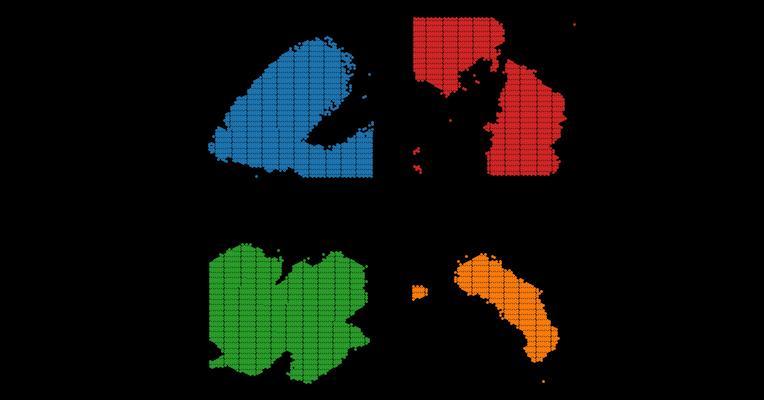
(MO DC)496 cells Tolerogenic cDC2316 cells Marginal Reticular Cells (MRC)283 cells Fibroblastic Reticular Cells (FRC)261 cells Nonclassical Monocytes250 cells Brunners Gland Cells247 cells Microfold Cells (M Cells)230 cells Secretory Pericytes204 cells Enteroendocrine Cells (EEC)195 cells Mesenchymal Lymphoid Tissue Organizer Cells (mLTo Cells)162 cells Follicular Dendritic Cells (fDC)143 cells Interstitial Cells of Cajal (ICC)13 cells Epithelial Stem Cells (LGR5+)56,974 cells Secretory Goblet cells Mature26,413 cells Secretory Goblet Cells19,974 cells Macrophages M118,323 cells GC B Germinal Center18,220 cells Granulocytes Mast Cells17,966 cells Fibroblasts Lamina propria (S1)17,192 cells Transiently Amplifying Cells (TA)12,543 cells Fibroblasts Subserosal8,192 cells Fibroblasts Subepithelial (S2)7,069 cells T Unconventional4,853 cells Secretory Tuft Cells3,300 cells Enteroendocrine Cells (EEC)2,811 cells Fibroblasts Myofibroblasts2,261 cells Secretory Paneth Cells563 cells Fibroblasts Follicular Dendritic Cells (fDC)142 cells Fibroblasts Submucosal (aka Crypt Support/Trophocytes/S3)1 cells Enterocytes TMIGD1 MEP1A19,601 cells B_plasma_IgA118,324 cells Tnaive/cm_CD411,268 cells Goblet progenitor8,242 cells Lamina_propria_fibroblast_ADAMDEC17,111 cells T cells CD4 FOSB6,370 cells T cells CD4 IL17A5,558 cells Crypt_fibroblast_PI165,265 cells Colonocyte progenitor5,220 cells Mature_colonocyte5,149 cells Fibroblasts ADAMDEC14,953 cells BEST4_enterocyte_colonocyte4,380 cells enterocyte of epithelium of small intestine4,180 cells Epithelial Cycling cells3,954 cells Macrophages CCL3 CCL43,873 cells Goblet cells MUC2 TFF13,831 cells IELs ID3 ENTPD13,568 cells Stem cells OLFM4 GSTA13,508 cells T cells CD8 KLRG13,399 cells Villus_fibroblast_F33,293 cells Stem cells OLFM4 LGR53,202 cells Colonocyte CEACAM-2,977 cells Goblet cells MUC2 TFF1-2,810 cells Stem cells OLFM4 PCNA2,325 cells Epithelial_stem2,069 cells T cells Naive CD41,718 cells enterocyte of epithelium of large intestine1,417 cells Endothelial cells DARC1,269 cells Memory B activated1,258 cells Stroma ADAMDEC1+1,250 cells Endothelial cells CA4 CD361,249 cells NK cells KLRF1 CD3G-1,189 cells B cells AICDA LRMP1,033 cells Endothelial cells CD361,027 cells colon goblet cell966 cells Macrophages LYVE1942 cells Transitional stromal C3+938 cells Vascular_smooth_muscle917 cells Glial/Enteric_neural_crest746 cells Fibroblasts SFRP2 SLPI710 cells intestinal crypt stem cell of small intestine691 cells Oral_mucosa_fibroblast653 cells Rectum_fibroblast652 cells Goblet_progenitor612 cells Stem cells OLFM4607 cells Fibroblasts SMOC2 PTGIS560 cells Myofibroblasts GREM1 GREM2558 cells Macrophage_LYVE1527 cells Naive CD8 T cell524 cells monocyte_classical515 cells Fibroblasts NPY SLITRK6495 cells Enterocytes BEST4460 cells Monocytes S100A8 S100A9456 cells transit amplifying cell of small intestine447 cells tuft cell of colon446 cells BEST4+ intestinal epithelial cell, human437 cells transit amplifying cell of colon416 cells Myofibroblasts HHIP NPNT407 cells Macrophage_TREM2382 cells Endothelial cells LTC4S SEMA3G340 cells intestinal crypt stem cell of colon309 cells Enterochromaffin cells306 cells epithelial cell of small intestine300 cells small intestine goblet cell286 cells Activated fibroblasts CCL19 ADAMADEC1277 cells Fibroblasts KCNN3 LY6H273 cells Fibroblast_reticular230 cells Enterocytes TMIGD1 MEP1A GSTA1229 cells Pericytes RERGL NTRK2221 cells nk_ilc_precursor188 cells Pericytes HIGD1B STEAP4186 cells IgA Kappa IGHV3+184 cells Enteroendocrine cells177 cells Macrophages PLA2G2D172 cells monocyte_nonclassical165 cells Pericyte NDUFA4L2+164 cells intestinal tuft cell163 cells BEST4+ epithelial162 cells Surface_foveolar133 cells Epithelial cells METTL12 MAFB127 cells enteroendocrine cell of colon76 cells Macrophages CXCL9 CXCL1074 cells enteroendocrine cell of small intestine68 cells undiff/early enterocyte58 cells DCS_MUC17_cycling53 cells Stroma RSPO3+CXCL12+50 cells ADAMDEC1+ stromal39 cells paneth cell of epithelium of small intestine32 cells stromal 1 fibroblasts31 cells Monocytes CHI3L1 CYP27A130 cells Enteric_neural_crest_cycling27 cells Immune_recruiting_pericyte20 cells Enteroendocrine_progenitor20 cells stromal 3 fibroblasts19 cells microfold cell of epithelium of small intestine19 cells BEST4+ enterocyte17 cells monocytes/macrophages13 cells Mucous_gland_neck13 cells stromal 4 fibroblasts7 cells stromal 2 fibroblasts6 cells smooth muscle cells6 cells blood endothelial cells4 cells Branch_A_interneuron4 cells Oesophagus_fibroblast4 cells Mono/neutrophil_MPO3 cells Goblet cells SPINK42 cells Epithelial HBB HBA2 cells Branch_A_primary_afferent_neuron1 cells lymphatic endothelial cells1 cells Branch_B_excitatory_motor_neuron1 cells proliferating cells1 cells Eosinophil/basophil1 cells Epithelial Stem Cells (LGR5+)56,974 cells Secretory Goblet cells Mature26,413 cells Secretory Goblet Cells19,974 cells Macrophages M118,323 cells GC B Germinal Center18,220 cells Granulocytes Mast Cells17,966 cells Fibroblasts Lamina propria (S1)17,192 cells Transiently Amplifying Cells (TA)12,543 cells Fibroblasts Subserosal8,192 cells Fibroblasts Subepithelial (S2)7,069 cells T Unconventional4,853 cells Secretory Tuft Cells3,300 cells Enteroendocrine Cells (EEC)2,811 cells Fibroblasts Myofibroblasts2,261 cells Secretory Paneth Cells563 cells Fibroblasts Follicular Dendritic Cells (fDC)142 cells Fibroblasts Submucosal (aka Crypt Support/Trophocytes/S3)1 cells Crohn disease124,957 cells colorectal cancer26,019 cells digestive system disorder17,703 cells adenocarcinoma12,508 cells neuroendocrine carcinoma2,775 cells cystic fibrosis associated meconium ileus61 cells necrotizing enterocolitis45 cells rypLE; collagenase103,341 cells 5mM EDTA in HBSS for 30min at 4℃ to get epithelial cells. Next, incubated in 2mg/ml Collagenase I for 15min at 37℃. Centrifugated and the sediment incubated in Tryple (Invitrogen) for 20 min at 37℃ to obtain single-cell suspension15,283 cells N-acetyl Cysteine; Dithiothreitol; Cold Protease Type VIII (from Bacillus Lichenformis)10,389 cells ITGAE,CD69,ITGA1130,081 cells APOA1,APOC3,APOB62,858 cells CD45RO,CCR7,IL7R55,896 cells CD27,CD80,CD8645,602 cells RORC,IL17A,CCR645,218 cells ITGAE,CD69,CD16041,143 cells JCHAIN,IG* genes38,083 cells MUC2,TFF3,SPINK437,728 cells IGHM,IGHD,TCL1A33,898 cells APOA1,APOC3,ALDOB30,619 cells BCL6,CXCR5,PDCD1,FOXP324,832 cells DEFA5,LYZ,PLA2G2A18,767 cells CX3CR1,GZMH,KLRG118,471 cells ALDOB,ANPEP,PRAP118,149 cells CEACAM5,FABP1,AQP818,075 cells CPA3,TPSB2,TPSAB117,702 cells TRAV24,ZBTB16,FCER1G17,114 cells CCR7,IL7R,SELL16,416 cells PDPN,COL1A1,DCN16,327 cells OLFM4,ADH1C,REG1A12,589 cells C1QA, C1QB, C1QC12,307 cells GZMB,PRF1,KLRG112,263 cells CXCR4,AICDA,MKI6710,748 cells IKZF2,GATA3,FOXP310,587 cells LGR5,ASCL2,SMOC29,717 cells CD83,CXCR5,BCL66,982 cells NKG7,GNLY,PRF16,512 cells BEST4,OTOP2,SPIB6,154 cells RGCC,FCN3,RBP75,436 cells CEACAM5,LEFTY1,ADH1C5,431 cells RSPO3,GREM1,PDGFRA5,204 cells ATOH1,TFF3,CLCA14,875 cells IL1R1,RORC,IL10,FOXP34,808 cells CD1C,FCER1A,CLEC10A4,792 cells RORC,IL23R,IL224,450 cells PDGFRA,VSTM2A,POSTN4,205 cells CCR7,LEF1,TCF74,146 cells VCAN,FCN1,S100A83,466 cells POU2F3,TRPM5,LRMP2,993 cells TRAV1-2,KLRB1,ZBTB162,975 cells TRDC,TRGC2,TRDV12,946 cells PDGFRA,VEGFD,NRG12,836 cells ACKR1,VWF,SELP2,795 cells NRXN1,S100B,SOX102,604 cells DPT,KCNN3,PDGFRA2,419 cells CXCR5,IL10,BCL62,407 cells HIGD1B,KDR,COL4A11,925 cells IL10,TGFB,TBX211,878 cells ACTA2,TAGLN,MYH111,756 cells NTRK2,RERGL,ACTA21,313 cells PDCD1,HAVCR2,TOX1,209 cells CLEC9A,XCR1,BATF31,052 cells PLA2G2D, PTGDS, MMP9902 cells CLDN5,RAMP2,FLT1822 cells LYVE1,PROX1,PDPN777 cells MYH11,ACTG2,TAGLN706 cells ICAM1,LITAF,VCAM1543 cells PDPN,CXCL13,CCL19261 cells PROK2,IFIT2,CCL3L1251 cells MUSTN1,PLN,COL15A1204 cells CHGA,CHGB,NEUROD1195 cells TNFSF11,CXCL14,PDPN162 cells LILRA4,PLD4,IL3RA133 cells TFF2,TFF1,MUC5AC119 cells CD8A,CD8B,ITGAE,CD69,ITGA1,RORA130,081 cells APOA1,APOC3,APOB,GUCA2A,CDHR5,DUOX262,858 cells CD69,SELL,CD27,HLA-DRA45,602 cells RORC,IL17A,IL22,IL21,CSF2,IL23R45,218 cells ITGAE,CD160,KLRC2,KIR2DL4,NCR1,NCR2,NCR3,CD7,CD24441,143 cells JCHAIN,IG* genes38,083 cells CLCA1,TFF3,MUC2,SPINK4,REG4,ITLN1,FXYD337,728 cells APOA1,APOC3,ALDOB,ANPEP30,619 cells BCL6,CXCR5,CD40LG,CXCL13,FOXP324,832 cells DEFA5,DEFA6,LYZ,PRSS2,ITLN2,REG3A,PLA2G2A18,767 cells FGFBP2,CX3CR1,GZMH,GZMK18,471 cells ALDOB,ANPEP,PRAP1,FABP118,149 cells CEACAM5,FABP1,AQP8,TFF1,SLC26A3,CEACAM7,GUCA2A18,075 cells CPA3,TPSB2,TPSAB1,CTSG,HPGDS,KIT17,702 cells FCER1G,HOPX,TRAV2417,114 cells CD4,CCR7,LEF1,IL7R,KLF2,S1PR5,SELL16,416 cells ADAMDEC1,ABCA8,FABP416,327 cells OLFM4,ADH1C,REG1A,LCN212,589 cells C1QA, C1QB, C1QC, CD163L112,307 cells IL2,GZMA,GZMK,GZMB,KLRG112,263 cells CXCR4,AICDA,RGS13,NEIL1,BCL7A10,748 cells IKZF2,GATA3,FOXP310,587 cells LGR5,ASCL2,SMOC2,RGMB,CLDN3,TSPAN8,OLFM49,717 cells BANK1,TNFRSF13C,CD836,982 cells GNLY,EOMES,PRF1,NKG76,512 cells BEST4,SPIB,OTOP2,CA76,154 cells CEACAM5,LEFTY1,ADH1C,SPINK5,AQP85,431 cells GREM1,C7,OLFM4,PTGS2,THY1,SEMA3A,GLI15,204 cells ATOH1,TFF3,CLCA1,HEPACAM2,ANXA13,PHLDA2,KLK14,875 cells IL1R1,RORC,IL10,FOXP34,808 cells CD1C,TCTN3,FCER1A,CLEC10A,SPI1,SIRPA4,792 cells KRT86,RORC,IL7R4,450 cells CD8A,LEF1,CCR74,146 cells VCAN,FCN1,S100A8,S100A93,466 cells POU2F3,SH2D6,LRMP,TRPM5,SOX4,CD24,SPIB,IRAG22,993 cells LGALS3,ZBTB16,TRAV1-2,TRAJ332,975 cells TRGC1,TRDC,TRDV1,TRDV2,TRDV3,KLRK12,946 cells ACKR1,VWF,SELP,MADCAM1,ADGRG62,795 cells BEST4,OTOP2,KLK15,SPIB,CA7,CFTR2,691 cells NRXN1,S100B,SOX10,CDH19,CRYAB,PLP1,SPP1,FXYD12,604 cells DPT,C7,KCNN3,CA8,PLCB42,419 cells CXCR5,IL10,BCL6,FOXP3,IL2RA2,407 cells IL10,TGFB,TBX211,878 cells ACTA2,TAGLN,DCN1,756 cells LAG3,HAVCR2,PDCD1,LAYN,CTLA4,BATF1,209 cells CLEC9A,C1orf54,XCR1,DNASE1L3,SHTN11,052 cells CHGA,TPH1,GULP1,IGFBP3956 cells PLA2G2D, PTGDS, MMP9902 cells MRC1, STAB2, MARCO835 cells CD36,CLDN5,RAMP2,FLT1,IGFBP7822 cells LYVE1,PROX1,MMRN1,MRC1777 cells DES,TAGLN,MYH11,ACTG2706 cells PYY,INSL5,GCG,TNNC1473 cells LAMP3,IDO1,CCR7,CD40,CCL5346 cells CCL19,CCL21,TNFSF13B,CXCL13,261 cells G0S2, CXCR2, S100A8, S100A9251 cells MUC6,PGC,TFF2,HDAC9,AQP5247 cells TGM2,NOS2,CCL20,REG3G,RANK,GP2,SPIB,SOX8,CLU,TNFAIP2,CCL23,MIA230 cells CHGA,CHGB,NEUROD1,PCSK1N,FXYD3,CPE,SCG5,CA2,SLC26A2,SLC4A4195 cells RANKL,CXCL14,TNFSF11162 cells LILRA4,PLD4,IL3RA,CLIC3,CLEC4C133 cells TFF2,TFF1,MUC5AC,AGR2119 cells 778C-JEJEPI-29519,029 cells 768B-JEJEPI-2777,531 cells 694B-JEJLP-2087,213 cells 640C-JEJEPI-1267,195 cells SR1803_20221207_006_N_E6,720 cells 640C-JEJLP-1275,330 cells Human_colon_16S81239215,295 cells Helm_CH_7109_RC_Epi4,982 cells HT-185-Adult-duo4,459 cells 768B-JEJLP-2784,386 cells 647C-JEJLP-1444,216 cells HT-188-Adult-Duo4,159 cells SR1803_20230131_007_N_E4,118 cells SR1803_20240117_012_N_E4,082 cells p030_T0D_ILE_LPS_3p3,740 cells SR1803_20221111_004_N_E3,735 cells p028_T0D_ILE_LPS_3p3,439 cells Helm_CH_7131_RC_Epi3,434 cells 694B-JEJEPI-2073,181 cells Human_colon_16S80005132,868 cells 4861STDY71359142,726 cells 778C-JEJLP-2962,689 cells 4861STDY71359122,622 cells p033_T0D_ILE_LPS_3p2,532 cells 4861STDY71359132,532 cells 4918STDY74478252,347 cells Helm_CH_7090_RC_Epi2,297 cells Human_colon_16S80019032,262 cells Human_colon_16S81178282,157 cells Human_colon_16S81178302,037 cells 4861STDY71359182,011 cells 4918STDY73334561,958 cells Human_colon_16S72556821,947 cells Human_colon_16S81178311,939 cells 4861STDY71359111,888 cells 637C-JEJEPI-1091,786 cells 4861STDY71359161,738 cells 4918STDY73894311,735 cells 4918STDY72748391,677 cells Helm_I3_5249_RC_Str1,656 cells 4918STDY77141491,641 cells Helm_I3_5244_RC_Epi1,565 cells Helm_I3_5248_RC_Str1,553 cells p050_T0D_ILE_LPS_3p1,535 cells Helm_I3_5250_RC_Epi1,520 cells Helm_I3_5241_RC_Str1,493 cells Helm_CH_7075_RC_Epi1,452 cells Helm_I3_5250_RC_Str1,440 cells 4918STDY77026801,438 cells 4918STDY77141501,389 cells 4918STDY77026791,370 cells 4861STDY72084171,355 cells Helm_CH_7152_RC_Str1,349 cells Helm_CH_7172_RC_Epi1,343 cells Helm_CH_7147_RC_Str1,319 cells Helm_CH_7051_RC_Epi1,296 cells Human_colon_16S81239111,290 cells Helm_CH_7125_RC_Str1,288 cells Helm_CH_7051_RC_Str1,258 cells 4918STDY79237441,242 cells Human_colon_16S72556761,190 cells Helm_CH_7125_RC_Epi1,170 cells Human_colon_16S80018791,170 cells 4861STDY72084111,160 cells p023_T0D_ILE_LPS_3p1,137 cells 4861STDY72084131,127 cells Human_colon_16S80018651,105 cells Human_colon_16S80026291,102 cells 4861STDY72084161,081 cells 4918STDY78448981,076 cells Helm_CH_7172_RC_Str1,076 cells 4861STDY72084101,075 cells Helm_I3_5243_RC_Epi1,064 cells Helm_CH_7045_RC_Str1,061 cells Human_colon_16S80004841,054 cells Human_colon_16S81239171,052 cells Human_colon_16S81239161,040 cells Helm_CH_7052_RC_Str1,038 cells Burclaff2022_donor2_ileum1,020 cells Helm_CH_7152_RC_Epi1,014 cells Human_colon_16S72556781,011 cells Helm_I3_5248_RC_Epi1,004 cells p017_T0D_ILE_LPS_3p989 cells Helm_I3_5241_RC_Epi975 cells Helm_CH_7052_RC_Epi949 cells Burclaff2022_donor3_duodenum945 cells Human_colon_16S8002626925 cells Helm_I3_5246_RC_Epi898 cells Helm_CH_7142_RC_Str895 cells Human_colon_16S8002624895 cells Helm_I3_5245_RC_Epi867 cells Helm_CH_7142_RC_Epi861 cells Human_colon_16S8159191858 cells Human_colon_16S8117829856 cells Helm_CH_7175_RC_Str801 cells Helm_CH_7131_RC_Str800 cells Helm_I3_5249_RC_Epi776 cells p049_T0D_ILE_LPS_3p773 cells Burclaff2022_donor1_ileum763 cells Burclaff2022_donor3_jejunum734 cells p044_T0D_ILE_LPS_3p730 cells p043_T0D_ILE_LPS_3p727 cells Human_colon_16S8002630722 cells Burclaff2022_donor2_transverse-colon720 cells Human_colon_16S8001871693 cells Burclaff2022_donor1_jejunum692 cells Helm_CH_7109_RC_Str691 cells Burclaff2022_donor2_jejunum688 cells Helm_CH_7200_RC_Epi684 cells Human_colon_16S7255680676 cells Human_colon_16S8002628673 cells Human_colon_16S8002623655 cells p037_T0D_ILE_LPS_3p639 cells p009_T0D_ILE_LPS_3p623 cells Helm_CH_7045_RC_Epi616 cells Burclaff2022_donor1_ascending-colon568 cells Helm_I3_5242_RC_Epi567 cells Human_colon_16S8123908566 cells Burclaff2022_donor3_ileum564 cells Human_colon_16S8001869562 cells Human_colon_16S7255677561 cells Burclaff2022_donor1_duodenum556 cells Helm_CH_7175_RC_Epi548 cells Burclaff2022_donor3_transverse-colon532 cells Human_colon_16S8001907520 cells Human_colon_16S8002627508 cells p035_T0D_ILE_LPS_3p468 cells Burclaff2022_donor1_descending-colon465 cells Human_colon_16S8159194465 cells Human_colon_16S8123919446 cells Burclaff2022_donor3_ascending-colon442 cells Burclaff2022_donor1_transverse-colon441 cells Human_colon_16S8001873437 cells Human_colon_16S8000511415 cells Helm_I3_5244_RC_Str414 cells Helm_I3_5246_RC_Str391 cells Human_colon_16S8000481384 cells Human_colon_16S8000515380 cells Burclaff2022_donor3_descending-colon374 cells p034_T0D_ILE_LPS_3p371 cells Human_colon_16S8123913371 cells Human_colon_16S8001878352 cells Burclaff2022_donor2_ascending-colon349 cells Helm_CH_7147_RC_Epi338 cells Human_colon_16S8001883324 cells Human_colon_16S8123920315 cells Burclaff2022_donor2_duodenum297 cells Human_colon_16S7255681293 cells Human_colon_16S8000475290 cells Human_colon_16S8002625265 cells Burclaff2022_donor2_descending-colon239 cells Human_colon_16S8123918233 cells Human_colon_16S8001881229 cells Human_colon_16S8001905226 cells Human_colon_16S8159193217 cells Human_colon_16S8001885198 cells Human_colon_16S8000487198 cells Human_colon_16S8159192187 cells Human_colon_16S7255675181 cells Human_colon_16S8000479179 cells Human_colon_16S8000477159 cells Human_colon_16S8000473147 cells Human_colon_16S8000493105 cells Human_colon_16S8001867101 cells Human_colon_16S800048991 cells Human_colon_16S812391067 cells 1127_No selection61 cells Human_colon_16S800048354 cells 1109_No selection45 cells Human_colon_16S800047143 cells Human_colon_16S800187525 cells Human_colon_16S800186325 cells Human_colon_16S81239097 cells Human_colon_16S80025812 cells surgical resection380,201 cells Columbia University, New York119,286 cells University of Cambridge, UK67,488 cells ambient temperature881,059 cells frozen at -80C63,331 cells BasuHelmsley103,341 cells Elmentaite202059,884 cells HamiltonHelmsley48,743 cells ArendsHelmsley18,655 cells Maddipatla20233,491 cells donor1_He202012,314 cells 7420_Jaeger202111,537 cells FA609_FA611_FA6127,824 cells 1425_Jaeger20217,535 cells D2_67F_Wang20206,937 cells SR1803_20221207_006_N_E6,720 cells SR1803_20230131_007_N_E4,118 cells SR1803_20240117_012_N_E4,082 cells SR1803_20221111_004_N_E3,735 cells Burclaff2022_donor33,591 cells Burclaff2022_donor13,485 cells Burclaff2022_donor23,313 cells patient13_Martin20193,205 cells patient10_Martin20192,965 cells D1_60M_Wang20202,775 cells D4_66F_Wang20202,725 cells patient14_Martin20192,304 cells patient11_Martin20191,930 cells patient16_Martin20191,875 cells patient8_Martin20191,863 cells D3_54M_Wang20201,756 cells patient15_Martin20191,722 cells patient7_Martin20191,487 cells patient12_Martin20191,146 cells patient6_Martin20191,133 cells D5_50F_Wang20201,090 cells patient5_Martin2019273 cells ascending colon104,227 cells gastrointestinal system mesentery26,422 cells sigmoid colon17,044 cells transverse colon16,948 cells small intestine2,732 cells descending colon2,705 cells vermiform appendix984 cells small intestine613,085 cells large intestine304,883 cells small intestine2,732 cells ascending colon104,227 cells gastrointestinal system mesentery26,422 cells sigmoid colon17,044 cells transverse colon16,948 cells small intestine2,732 cells descending colon2,705 cells vermiform appendix984 cells surgical donor651,690 cells living organ donor204,809 cells postmortem donor87,891 cells 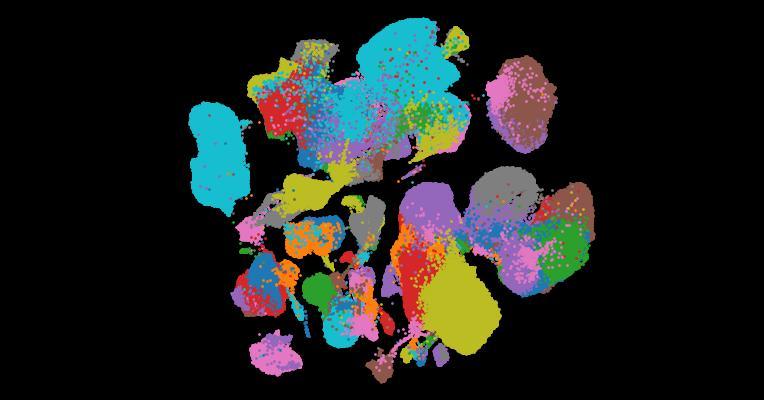
Age group
Assay
Cell type
Cell type (HGCA level1)
Cell type (HGCA level2)
Cell type (HGCA level3)
Cell type (HGCA level4)
Cell type (HGCA level5)
Cell type (HGCA v0)
Cell type (QC lineage)
Cell type (atlas mapped)
Cell type (author)
Cell type (closest GCA)
Cell type - canonical marker genes
Cell type - marker gene evidence
Cell viability
Description
Disease
Donor living at sample collection
Sample ID
Sample collection method
Sample collection site
Sample collection year
Sample preservation method
Sample source
Sampled site condition
Sex
Subject ID
Tissue
Tissue (level 0)
Tissue (level 1)
Tissue (level 2)
Tissue source
M0 Macrophages12,307 cells Homeostatic Macrophages5,613 cells Classical Monocytes3,466 cells Perivascular Resident Macrophages1,510 cells Cycling Macrophages1,136 cells Follicle Associated Resident Macrophages902 cells Monocyte Derived Dendritic Cells
(MO DC)496 cells Tolerogenic cDC2316 cells Nonclassical Monocytes250 cells Follicular Dendritic Cells (fDC)143 cells Dendritic Cells7,002 cells Tissue Resident Macrophages20,332 cells Conventional Dendritic Cells Type 2 (cDC2)5,108 cells Classical Monocytes3,466 cells Cycling Macrophages1,136 cells Conventional Dendritic Cells Type 1 (cDC1)1,052 cells Monocyte Derived Dendritic Cells
(MO DC)496 cells Migratory Dendritic Cells (migDC)346 cells Nonclassical Monocytes250 cells Follicular Dendritic Cells (fDC)143 cells Mucosal Resident Macrophages17,920 cells Conventional Dendritic Cells Type 2 (cDC2)4,792 cells Classical Monocytes3,466 cells Perivascular Resident Macrophages (PVM)1,510 cells Cycling Macrophages1,136 cells Conventional Dendritic Cells Type 1 (cDC1)1,052 cells Follicle Associated Resident Macrophages902 cells Monocyte Derived Dendritic Cells
(MO DC)496 cells Migratory Dendritic Cells (migDC)346 cells Nonclassical Monocytes250 cells Follicular Dendritic Cells (fDC)143 cells M0 Macrophages12,307 cells Homeostatic Macrophages5,613 cells Conventional Dendritic Cells Type 2 (cDC2)4,792 cells Classical Monocytes3,466 cells Perivascular Resident Macrophages (PVM)1,510 cells Cycling Macrophages1,136 cells Conventional Dendritic Cells Type 1 (cDC1)1,052 cells Follicle Associated Resident Macrophages902 cells Monocyte Derived Dendritic Cells
(MO DC)496 cells Migratory Dendritic Cells (migDC)346 cells Nonclassical Monocytes250 cells Follicular Dendritic Cells (fDC)143 cells Granulocytes Mast Cells17,702 cells Macrophages Tissue Resident16,971 cells Macrophages M23,361 cells Macrophages Cycling1,136 cells DC Monocyte derived dendritic cell
(MO DC)496 cells Fibroblasts Follicular Dendritic Cells (fDC)143 cells Macrophages M118,323 cells Granulocytes Mast Cells17,966 cells Fibroblasts Follicular Dendritic Cells (fDC)142 cells Macrophages CCL3 CCL43,872 cells Macrophages LYVE1942 cells Macrophage_LYVE1527 cells monocyte_classical515 cells Monocytes S100A8 S100A9449 cells Macrophage_TREM2382 cells Macrophages PLA2G2D170 cells monocyte_nonclassical165 cells Macrophages CXCL9 CXCL1074 cells Monocytes CHI3L1 CYP27A130 cells Mono/neutrophil_MPO3 cells Endothelial cells DARC2 cells Fibroblasts ADAMDEC12 cells Myofibroblasts GREM1 GREM21 cells Eosinophil/basophil1 cells Macrophages M118,323 cells Granulocytes Mast Cells17,966 cells Fibroblasts Follicular Dendritic Cells (fDC)142 cells CPA3,TPSB2,TPSAB117,702 cells C1QA, C1QB, C1QC12,307 cells CD1C,FCER1A,CLEC10A4,792 cells VCAN,FCN1,S100A83,466 cells CLEC9A,XCR1,BATF31,052 cells PLA2G2D, PTGDS, MMP9902 cells CPA3,TPSB2,TPSAB1,CTSG,HPGDS,KIT17,702 cells C1QA, C1QB, C1QC, CD163L112,307 cells CD1C,TCTN3,FCER1A,CLEC10A,SPI1,SIRPA4,792 cells VCAN,FCN1,S100A8,S100A93,466 cells CLEC9A,C1orf54,XCR1,DNASE1L3,SHTN11,052 cells PLA2G2D, PTGDS, MMP9902 cells LAMP3,IDO1,CCR7,CD40,CCL5346 cells A single cell dataset with 14 non-IBD healthy controls2,249 cells In total, we processed endoscopically non-inflamed biopsies from the ascending colon from 19 patients with Crohn’s disease and 23 control subjects.373 cells Crohn disease11,890 cells digestive system disorder3,332 cells colorectal cancer1,461 cells p017_T0D_ILE_LPS_3p671 cells SR1803_20221111_004_N_E472 cells p037_T0D_ILE_LPS_3p461 cells p049_T0D_ILE_LPS_3p444 cells HT-188-Adult-Duo300 cells p043_T0D_ILE_LPS_3p246 cells Human_colon_16S7255676242 cells p030_T0D_ILE_LPS_3p242 cells p035_T0D_ILE_LPS_3p238 cells p050_T0D_ILE_LPS_3p237 cells SR1803_20230131_007_N_E227 cells Human_colon_16S7255682212 cells p023_T0D_ILE_LPS_3p191 cells p009_T0D_ILE_LPS_3p187 cells p034_T0D_ILE_LPS_3p171 cells SR1803_20221207_006_N_E168 cells HT-185-Adult-duo164 cells Human_colon_16S8001907152 cells p028_T0D_ILE_LPS_3p135 cells SR1803_20240117_012_N_E131 cells Human_colon_16S800051394 cells Human_colon_16S815919187 cells Human_colon_16S725568083 cells Helm_I3_5248_RC_Str78 cells Helm_CH_7152_RC_Str76 cells Human_colon_16S811783171 cells Human_colon_16S800187170 cells Human_colon_16S800190366 cells p033_T0D_ILE_LPS_3p61 cells Human_colon_16S800262452 cells Human_colon_16S812391150 cells Human_colon_16S800186550 cells p044_T0D_ILE_LPS_3p48 cells Human_colon_16S800262942 cells Human_colon_16S800190542 cells Helm_CH_7052_RC_Str41 cells Human_colon_16S811783037 cells Helm_I3_5241_RC_Str32 cells Helm_I3_5250_RC_Str29 cells Human_colon_16S800186928 cells Human_colon_16S800188326 cells Helm_CH_7051_RC_Str25 cells Helm_CH_7172_RC_Str23 cells Human_colon_16S800262623 cells Helm_CH_7125_RC_Str22 cells Helm_CH_7147_RC_Str22 cells Human_colon_16S815919222 cells Human_colon_16S800048418 cells Human_colon_16S815919416 cells Human_colon_16S812391815 cells Human_colon_16S800188513 cells Helm_I3_5250_RC_Epi13 cells Human_colon_16S815919313 cells Human_colon_16S812392110 cells Human_colon_16S800186710 cells Human_colon_16S800188110 cells Human_colon_16S80026288 cells Human_colon_16S81239137 cells Helm_CH_7172_RC_Epi7 cells Human_colon_16S80018796 cells Human_colon_16S81178296 cells Human_colon_16S81239195 cells Human_colon_16S80005114 cells Human_colon_16S80018734 cells Human_colon_16S80018754 cells Human_colon_16S80026253 cells Helm_CH_7152_RC_Epi3 cells Human_colon_16S81239173 cells Human_colon_16S81239102 cells Human_colon_16S80018632 cells Human_colon_16S80026232 cells Human_colon_16S72556782 cells Human_colon_16S80005152 cells Helm_I3_5248_RC_Epi1 cells Human_colon_16S80004731 cells Helm_CH_7051_RC_Epi1 cells surgical resection24,713 cells Columbia University, New York17,068 cells University of Cambridge, UK637 cells ambient temperature48,213 cells frozen at -80C1,834 cells Elmentaite20201,803 cells HamiltonHelmsley373 cells SR1803_20221111_004_N_E472 cells patient14_Martin2019287 cells SR1803_20230131_007_N_E227 cells SR1803_20221207_006_N_E168 cells patient11_Martin2019153 cells SR1803_20240117_012_N_E131 cells patient5_Martin201995 cells patient12_Martin201985 cells patient16_Martin201972 cells patient15_Martin201970 cells patient10_Martin201959 cells patient13_Martin201955 cells ascending colon1,768 cells transverse colon966 cells gastrointestinal system mesentery80 cells vermiform appendix34 cells small intestine40,866 cells large intestine9,101 cells ascending colon1,768 cells transverse colon966 cells gastrointestinal system mesentery80 cells vermiform appendix34 cells surgical donor28,669 cells living organ donor21,378 cells 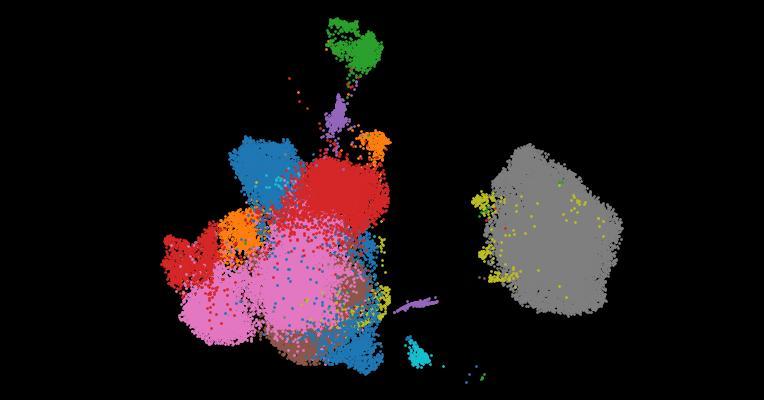
Age group
Assay
Cell type
Cell type (HGCA level1)
Cell type (HGCA level2)
Cell type (HGCA level3)
Cell type (HGCA level4)
Cell type (HGCA level5)
Cell type (HGCA v0)
Cell type (QC lineage)
Cell type (atlas mapped)
Cell type (author)
Cell type (closest GCA)
Cell type - canonical marker genes
Cell type - marker gene evidence
Cell viability
Description
Disease
Donor living at sample collection
Sample ID
Sample collection method
Sample collection site
Sample collection year
Sample preservation method
Sample source
Sampled site condition
Sex
Subject ID
Tissue
Tissue (level 0)
Tissue (level 1)
Tissue (level 2)
Tissue source
Lamina propria Fibroblasts (S1)16,327 cells Post Arteriole Capillary Endothelial (PAC)5,436 cells Submucosal Fibroblasts (S3)5,204 cells Crypt Bottom Fibroblasts (S2A)4,205 cells Crypt Top Fibroblasts (S2B)2,836 cells Venular Endothelial2,795 cells Muscularis Propria Fibroblasts2,419 cells Myofibroblasts1,756 cells Contractile Pericytes1,313 cells Arteriolar Endothelial1,034 cells Angiogenic Pericytes891 cells Medullary Sinus Endothelial835 cells Capillary Endothelial822 cells Lymphatic Endothelial777 cells Smooth Muscle Cells (SMC)706 cells Pre Venule Capillary Endothelial (PVC)543 cells Marginal Reticular Cells (MRC)283 cells Fibroblastic Reticular Cells (FRC)261 cells Secretory Pericytes204 cells Mesenchymal Lymphoid Tissue Organizer Cells (mLTo Cells)162 cells Interstitial Cells of Cajal (ICC)13 cells Smooth Muscle Cells (SMC)706 cells Lamina propria fibroblasts (S1)16,327 cells Subepithelial fibroblasts (S2)7,041 cells Capillary Endothelial6,801 cells Submucosal Fibroblasts (Crypt Support/Trophocytes/S3)5,204 cells Venular Endothelial2,795 cells Muscularis Propria Fibroblasts2,419 cells Myofibroblasts1,756 cells Lymphatic Endothelial1,612 cells Contractile Pericytes1,313 cells Arteriolar Endothelial1,034 cells Angiogenic Pericytes891 cells Smooth Muscle Cells (SMC)706 cells Fibroblastic reticular cells (FRC)544 cells Secretory Pericyte204 cells Mesenchymal Lymphoid Tissue Organizer Cells (mLTo Cells)162 cells Interstitial Cells of Cajal (ICC)13 cells Lamina propria fibroblasts (S1)16,327 cells Post arteriole capillary (PAC)5,436 cells Submucosal Fibroblasts (Crypt Support/Trophocytes/S3)5,204 cells Crypt Bottom (S2A)4,205 cells Crypt Top (S2B)2,836 cells Venular Endothelial2,795 cells Muscularis Propria Fibroblasts2,419 cells Myofibroblasts1,756 cells Capillary Endothelial1,365 cells Contractile Pericytes1,313 cells Arteriolar Endothelial1,034 cells Angiogenic Pericytes891 cells Medullary Sinus Endothelial835 cells Lymphatic Endothelial777 cells Smooth Muscle Cells (SMC)706 cells Marginal Reticular Cells (MRC)283 cells Fibroblastic reticular cells (FRC)261 cells Secretory Pericyte204 cells Mesenchymal Lymphoid Tissue Organizer Cells (mLTo Cells)162 cells Interstitial Cells of Cajal (ICC)13 cells Lamina propria fibroblasts (S1)16,327 cells Post arteriole capillary (PAC)5,436 cells Submucosal Fibroblasts (Crypt Support/Trophocytes/S3)5,204 cells Crypt Bottom (S2A)4,205 cells Crypt Top (S2B)2,836 cells Venular Endothelial2,795 cells Muscularis Propria Fibroblasts2,419 cells Myofibroblasts1,756 cells Capillary Endothelial1,365 cells Contractile Pericytes1,313 cells Arteriolar Endothelial1,034 cells Angiogenic Pericytes891 cells Medullary Sinus Endothelial835 cells Lymphatic Endothelial777 cells Smooth Muscle Cells (SMC)706 cells Marginal Reticular Cells (MRC)283 cells Fibroblastic reticular cells (FRC)261 cells Secretory Pericyte204 cells Mesenchymal Lymphoid Tissue Organizer Cells (mLTo Cells)162 cells Interstitial Cells of Cajal (ICC)13 cells Fibroblasts Lamina propria (S1)13,865 cells Fibroblasts Submucosal (aka Crypt Support/Trophocytes/S3)7,309 cells Fibroblasts Crypt Bottom (S2A)4,205 cells vascular endothelial Arteriolar3,481 cells vascular endothelial Venular3,395 cells Fibroblasts Crypt Top (S2B)2,394 cells Smooth Muscle Cells (SMC)1,840 cells vascular endothelial Post arteriole capillary (PAC)1,828 cells Fibroblasts Muscularis Propria1,640 cells Fibroblasts Subserosal1,593 cells vascular endothelial Lymphatic1,170 cells SMC Outer Muscle Cells988 cells vascular endothelial Pre venule capillary (PVC)952 cells SMC Inner Muscle Cells924 cells Glia Mucosal/Type III824 cells Glia Myenteric Plexus / Type I629 cells Fibroblastic reticular cells540 cells Fibroblasts Subepithelial (S2)442 cells vascular endothelial Lacteals442 cells Glia Intra-Ganglionic408 cells vascular endothelial Capillary397 cells Glia Submucosal Plexus / Type I383 cells Glia Extra-Ganglionic360 cells Pericytes Immature345 cells Pericytes Angiogenic304 cells vascular endothelial304 cells Pericytes Contractile199 cells Pericytes Secretory169 cells Fibroblasts mLTo Cells (mesenchymal lymphoid tissue organizer cells)166 cells Fibroblasts Myofibroblasts135 cells Glia Muscularis propria/Type IV33 cells Fibroblasts Lamina propria (S1)17,192 cells Fibroblasts Subserosal8,192 cells Fibroblasts Subepithelial (S2)7,069 cells Fibroblasts Myofibroblasts2,261 cells Fibroblasts Submucosal (aka Crypt Support/Trophocytes/S3)1 cells Lamina_propria_fibroblast_ADAMDEC17,111 cells Crypt_fibroblast_PI165,265 cells Fibroblasts ADAMDEC14,951 cells Villus_fibroblast_F33,293 cells Endothelial cells DARC1,267 cells Endothelial cells CA4 CD361,249 cells Stroma ADAMDEC1+1,249 cells Endothelial cells CD361,025 cells Transitional stromal C3+936 cells Vascular_smooth_muscle917 cells Glial/Enteric_neural_crest746 cells Fibroblasts SFRP2 SLPI710 cells Oral_mucosa_fibroblast653 cells Rectum_fibroblast652 cells Fibroblasts SMOC2 PTGIS560 cells Myofibroblasts GREM1 GREM2557 cells Fibroblasts NPY SLITRK6495 cells Myofibroblasts HHIP NPNT407 cells Endothelial cells LTC4S SEMA3G340 cells Activated fibroblasts CCL19 ADAMADEC1277 cells Fibroblasts KCNN3 LY6H273 cells Fibroblast_reticular230 cells Pericytes RERGL NTRK2221 cells Pericytes HIGD1B STEAP4186 cells Pericyte NDUFA4L2+162 cells Stroma RSPO3+CXCL12+50 cells ADAMDEC1+ stromal39 cells Enteric_neural_crest_cycling27 cells Immune_recruiting_pericyte20 cells Oesophagus_fibroblast4 cells Branch_A_interneuron4 cells Branch_B_excitatory_motor_neuron1 cells Branch_A_primary_afferent_neuron1 cells Fibroblasts Lamina propria (S1)17,192 cells Fibroblasts Subserosal8,192 cells Fibroblasts Subepithelial (S2)7,069 cells Fibroblasts Myofibroblasts2,261 cells Fibroblasts Submucosal (aka Crypt Support/Trophocytes/S3)1 cells PDPN,COL1A1,DCN16,327 cells RGCC,FCN3,RBP75,436 cells RSPO3,GREM1,PDGFRA5,204 cells PDGFRA,VSTM2A,POSTN4,205 cells PDGFRA,VEGFD,NRG12,836 cells ACKR1,VWF,SELP2,795 cells NRXN1,S100B,SOX102,604 cells DPT,KCNN3,PDGFRA2,419 cells HIGD1B,KDR,COL4A11,925 cells ACTA2,TAGLN,MYH111,756 cells NTRK2,RERGL,ACTA21,313 cells CLDN5,RAMP2,FLT1822 cells LYVE1,PROX1,PDPN777 cells MYH11,ACTG2,TAGLN706 cells ICAM1,LITAF,VCAM1543 cells PDPN,CXCL13,CCL19261 cells MUSTN1,PLN,COL15A1204 cells TNFSF11,CXCL14,PDPN162 cells ADAMDEC1,ABCA8,FABP416,327 cells GREM1,C7,OLFM4,PTGS2,THY1,SEMA3A,GLI15,204 cells ACKR1,VWF,SELP,MADCAM1,ADGRG62,795 cells NRXN1,S100B,SOX10,CDH19,CRYAB,PLP1,SPP1,FXYD12,604 cells DPT,C7,KCNN3,CA8,PLCB42,419 cells ACTA2,TAGLN,DCN1,756 cells MRC1, STAB2, MARCO835 cells CD36,CLDN5,RAMP2,FLT1,IGFBP7822 cells LYVE1,PROX1,MMRN1,MRC1777 cells DES,TAGLN,MYH11,ACTG2706 cells CCL19,CCL21,TNFSF13B,CXCL13,261 cells RANKL,CXCL14,TNFSF11162 cells In total, we processed endoscopically non-inflamed biopsies from the ascending colon from 19 patients with Crohn’s disease and 23 control subjects.6,463 cells A single cell dataset with 14 non-IBD healthy controls3,794 cells Crohn disease11,834 cells colorectal cancer4,486 cells digestive system disorder2,454 cells Human_colon_16S80005131,006 cells p050_T0D_ILE_LPS_3p912 cells Helm_I3_5250_RC_Str741 cells Helm_I3_5249_RC_Str716 cells Helm_CH_7051_RC_Str639 cells Helm_I3_5248_RC_Str574 cells Helm_CH_7142_RC_Str563 cells Helm_CH_7147_RC_Str555 cells Human_colon_16S8123908541 cells SR1803_20221207_006_N_E451 cells Helm_CH_7172_RC_Str450 cells SR1803_20221111_004_N_E431 cells Helm_CH_7052_RC_Str428 cells Helm_CH_7152_RC_Str421 cells Helm_CH_7125_RC_Str377 cells p030_T0D_ILE_LPS_3p342 cells Human_colon_16S8002624333 cells Helm_CH_7175_RC_Str328 cells SR1803_20230131_007_N_E324 cells p017_T0D_ILE_LPS_3p288 cells Helm_CH_7045_RC_Str281 cells Human_colon_16S8000515263 cells Human_colon_16S8001873247 cells Helm_I3_5241_RC_Str244 cells p049_T0D_ILE_LPS_3p243 cells Human_colon_16S8117830219 cells Human_colon_16S8001883217 cells Human_colon_16S8002625195 cells Human_colon_16S8159191179 cells p043_T0D_ILE_LPS_3p162 cells Human_colon_16S8000511161 cells p035_T0D_ILE_LPS_3p137 cells Human_colon_16S8001871136 cells Human_colon_16S8002623133 cells p037_T0D_ILE_LPS_3p133 cells Human_colon_16S8002629122 cells Human_colon_16S8002626114 cells Human_colon_16S8000484106 cells p009_T0D_ILE_LPS_3p99 cells Human_colon_16S811783196 cells Human_colon_16S800048188 cells Human_colon_16S800188188 cells Human_colon_16S800049387 cells Human_colon_16S800262886 cells Human_colon_16S800188585 cells Human_colon_16S800190381 cells Human_colon_16S800047969 cells SR1803_20240117_012_N_E67 cells p044_T0D_ILE_LPS_3p65 cells Human_colon_16S800187863 cells Human_colon_16S815919462 cells Human_colon_16S800047359 cells Human_colon_16S800048955 cells Helm_CH_7109_RC_Str53 cells Human_colon_16S800263051 cells Helm_CH_7131_RC_Str46 cells Helm_I3_5244_RC_Str45 cells p023_T0D_ILE_LPS_3p43 cells Human_colon_16S800047534 cells Human_colon_16S800186533 cells p028_T0D_ILE_LPS_3p30 cells Human_colon_16S800190528 cells Human_colon_16S800186927 cells Human_colon_16S815919224 cells Human_colon_16S800047123 cells Human_colon_16S800048322 cells Human_colon_16S800048719 cells Human_colon_16S800190718 cells Human_colon_16S800186715 cells Human_colon_16S800262714 cells Human_colon_16S800047714 cells Human_colon_16S812391014 cells Human_colon_16S812391813 cells Human_colon_16S811782911 cells Human_colon_16S812391310 cells Human_colon_16S81591938 cells Human_colon_16S80018796 cells Human_colon_16S81239174 cells Human_colon_16S81239214 cells Human_colon_16S81239203 cells Human_colon_16S81239192 cells Human_colon_16S80018632 cells Helm_CH_7172_RC_Epi1 cells Helm_I3_5249_RC_Epi1 cells Human_colon_16S81239091 cells surgical resection13,862 cells ambient temperature41,067 cells frozen at -80C10,949 cells Elmentaite20208,624 cells HamiltonHelmsley6,463 cells ArendsHelmsley1,273 cells SR1803_20221207_006_N_E451 cells SR1803_20221111_004_N_E431 cells SR1803_20230131_007_N_E324 cells patient14_Martin2019215 cells patient16_Martin2019152 cells patient12_Martin201971 cells SR1803_20240117_012_N_E67 cells patient13_Martin201963 cells patient7_Martin201962 cells patient10_Martin201937 cells ascending colon9,930 cells transverse colon1,190 cells vermiform appendix244 cells gastrointestinal system mesentery225 cells descending colon140 cells large intestine27,278 cells small intestine24,513 cells ascending colon9,930 cells transverse colon1,190 cells vermiform appendix244 cells gastrointestinal system mesentery225 cells descending colon140 cells surgical donor44,513 cells living organ donor7,503 cells 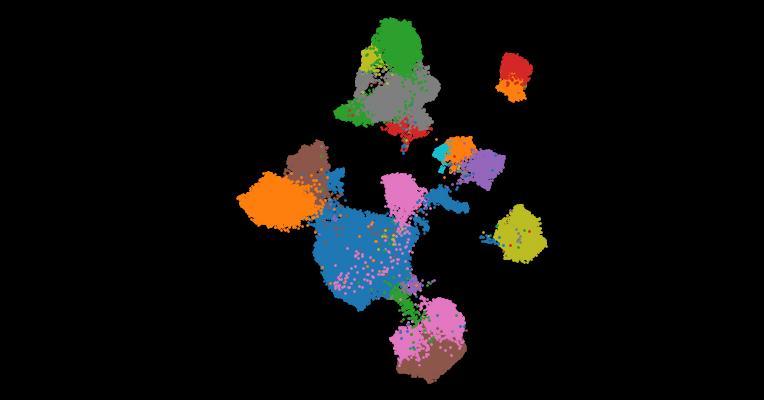
Age group
Assay
Cell type
Cell type (HGCA level1)
Cell type (HGCA level2)
Cell type (HGCA level3)
Cell type (HGCA level4)
Cell type (HGCA level5)
Cell type (HGCA v0)
Cell type (QC lineage)
Cell type (atlas mapped)
Cell type (author)
Cell type (closest GCA)
Cell type - canonical marker genes
Cell type - marker gene evidence
Cell viability
Description
Disease
Dissociation protocol
Donor living at sample collection
Sample ID
Sample collection method
Sample collection site
Sample collection year
Sample preservation method
Sample source
Sampled site condition
Sex
Subject ID
Tissue
Tissue (level 0)
Tissue (level 1)
Tissue (level 2)
Tissue source
Villus Tip Enterocytes62,858 cells Mid Villus Enterocytes30,619 cells Lower Crypt Colonocytes21,199 cells Transiently Amplifying Cells (TA)18,299 cells Lower Villus Enterocytes18,149 cells Crypt Top Colonocytes18,075 cells Mature Goblet Cells17,419 cells Colonocyte Progenitors13,609 cells Enterocyte Progenitors12,589 cells Intestinal Stem Cells (ISC)9,717 cells BEST4 Colonocytes6,154 cells Mid Crypt Colonocytes5,431 cells Secretory Progenitors4,875 cells BEST4 Enterocytes2,691 cells EEC Enterochromaffin (EC)956 cells Tuft Progenitors686 cells Brunners Gland Cells247 cells Microfold Cells (M Cells)230 cells Enteroendocrine Cells (EEC)195 cells Absorptive Epithelial191,374 cells Secretory Epithelial42,241 cells Proliferative Epithelial32,891 cells Enteroendocrine Cells (EEC)2,940 cells Follicle associated enterocyte (FAE)230 cells Transiently Amplifying Cells (TA)23,174 cells Intestinal Stem Cells (ISC)9,717 cells Enterochromaffin Cells956 cells Brunners Gland Cells247 cells Microfold Cells (M Cells)230 cells Enteroendocrine Cells (EEC)195 cells Villus Tip Enterocytes62,858 cells Mid Villus Enterocytes30,619 cells Lower Crypt Colonocytes21,199 cells Transiently Amplifying Cells (TA)18,299 cells Lower Villus Enterocytes18,149 cells Crypt Top Colonocytes18,075 cells Mature goblet cells17,419 cells Colonocyte Progenitors13,609 cells Enterocyte Progenitors12,589 cells Intestinal Stem Cells (ISC)9,717 cells BEST4 Colonocytes6,154 cells Mid Crypt Colonocytes5,431 cells Secretory Progenitors4,875 cells BEST4 Enterocytes2,691 cells Enterochromaffin Cells956 cells Tuft Progenitors686 cells Brunners Gland Cells247 cells Microfold Cells (M Cells)230 cells Enteroendocrine Cells (EEC)195 cells Villus Tip Enterocytes62,858 cells Mid Villus Enterocytes30,619 cells Lower Crypt Colonocytes21,199 cells Transiently Amplifying Cells (TA)18,299 cells Lower Villus Enterocytes18,149 cells Crypt Top Colonocytes18,075 cells Mature goblet cells17,419 cells Colonocyte Progenitors13,609 cells Enterocyte Progenitors12,589 cells Intestinal Stem Cells (ISC)9,717 cells BEST4 Colonocytes6,154 cells Mid Crypt Colonocytes5,431 cells Secretory Progenitors4,875 cells BEST4 Enterocytes2,691 cells Enterochromaffin Cells956 cells Tuft Progenitors686 cells Brunners Gland Cells247 cells Microfold Cells (M Cells)230 cells Enteroendocrine Cells (EEC)195 cells Enterocytes Late56,355 cells Secretory Goblet Cells34,138 cells Enterocytes Early26,890 cells Absorptive TA23,643 cells Colonocytes Late17,098 cells Transiently Amplifying Cells (TA)15,771 cells Colonocytes Early14,960 cells Epithelial Stem Cells (LGR5+)8,538 cells Colonocytes BEST44,709 cells Secretory Tuft Cells3,533 cells Colonocytes Laminin2,686 cells Enterocytes BEST42,160 cells Follicle associated enterocyte (FAE)1,660 cells EEC Enterochromaffin Cells1,237 cells Secretory Goblet cells Mature1,005 cells Microfold Cells (M Cells)611 cells EEC L Cells (PYY+)473 cells Secretory Paneth Cells468 cells Enteroendocrine Cells (EEC)195 cells EEC S Cells (SCT+)177 cells Epithelial Stem Cells (LGR5+)56,974 cells Secretory Goblet cells Mature26,413 cells Secretory Goblet Cells19,974 cells Transiently Amplifying Cells (TA)12,543 cells Secretory Tuft Cells3,300 cells Enteroendocrine Cells (EEC)2,811 cells Secretory Paneth Cells563 cells Enterocytes TMIGD1 MEP1A19,601 cells Goblet progenitor8,242 cells Colonocyte progenitor5,220 cells Mature_colonocyte5,149 cells BEST4_enterocyte_colonocyte4,380 cells enterocyte of epithelium of small intestine4,180 cells Epithelial Cycling cells3,954 cells Goblet cells MUC2 TFF13,831 cells Stem cells OLFM4 GSTA13,508 cells Stem cells OLFM4 LGR53,202 cells Colonocyte CEACAM-2,977 cells Goblet cells MUC2 TFF1-2,810 cells Stem cells OLFM4 PCNA2,325 cells Epithelial_stem2,069 cells enterocyte of epithelium of large intestine1,417 cells colon goblet cell966 cells intestinal crypt stem cell of small intestine691 cells Goblet_progenitor612 cells Stem cells OLFM4606 cells Enterocytes BEST4460 cells transit amplifying cell of small intestine447 cells tuft cell of colon446 cells BEST4+ intestinal epithelial cell, human437 cells transit amplifying cell of colon416 cells intestinal crypt stem cell of colon309 cells Enterochromaffin cells306 cells epithelial cell of small intestine300 cells small intestine goblet cell286 cells Enterocytes TMIGD1 MEP1A GSTA1229 cells Enteroendocrine cells177 cells intestinal tuft cell163 cells BEST4+ epithelial162 cells Surface_foveolar133 cells Epithelial cells METTL12 MAFB127 cells enteroendocrine cell of colon76 cells enteroendocrine cell of small intestine68 cells undiff/early enterocyte56 cells DCS_MUC17_cycling53 cells paneth cell of epithelium of small intestine32 cells Enteroendocrine_progenitor20 cells microfold cell of epithelium of small intestine19 cells BEST4+ enterocyte17 cells Mucous_gland_neck13 cells stromal 1 fibroblasts10 cells stromal 3 fibroblasts7 cells Monocytes S100A8 S100A95 cells Transitional stromal C3+2 cells Epithelial HBB HBA2 cells Goblet cells SPINK42 cells stromal 2 fibroblasts1 cells lymphatic endothelial cells1 cells Pericyte NDUFA4L2+1 cells Endothelial cells CD361 cells Epithelial Stem Cells (LGR5+)56,974 cells Secretory Goblet cells Mature26,413 cells Secretory Goblet Cells19,974 cells Transiently Amplifying Cells (TA)12,543 cells Secretory Tuft Cells3,300 cells Enteroendocrine Cells (EEC)2,811 cells Secretory Paneth Cells563 cells APOA1,APOC3,APOB62,858 cells MUC2,TFF3,SPINK437,728 cells APOA1,APOC3,ALDOB30,619 cells DEFA5,LYZ,PLA2G2A18,767 cells ALDOB,ANPEP,PRAP118,149 cells CEACAM5,FABP1,AQP818,075 cells OLFM4,ADH1C,REG1A12,589 cells LGR5,ASCL2,SMOC29,717 cells BEST4,OTOP2,SPIB6,154 cells CEACAM5,LEFTY1,ADH1C5,431 cells ATOH1,TFF3,CLCA14,875 cells POU2F3,TRPM5,LRMP2,993 cells PROK2,IFIT2,CCL3L1251 cells CHGA,CHGB,NEUROD1195 cells TFF2,TFF1,MUC5AC119 cells APOA1,APOC3,APOB,GUCA2A,CDHR5,DUOX262,858 cells CLCA1,TFF3,MUC2,SPINK4,REG4,ITLN1,FXYD337,728 cells APOA1,APOC3,ALDOB,ANPEP30,619 cells DEFA5,DEFA6,LYZ,PRSS2,ITLN2,REG3A,PLA2G2A18,767 cells ALDOB,ANPEP,PRAP1,FABP118,149 cells CEACAM5,FABP1,AQP8,TFF1,SLC26A3,CEACAM7,GUCA2A18,075 cells OLFM4,ADH1C,REG1A,LCN212,589 cells LGR5,ASCL2,SMOC2,RGMB,CLDN3,TSPAN8,OLFM49,717 cells BEST4,SPIB,OTOP2,CA76,154 cells CEACAM5,LEFTY1,ADH1C,SPINK5,AQP85,431 cells ATOH1,TFF3,CLCA1,HEPACAM2,ANXA13,PHLDA2,KLK14,875 cells POU2F3,SH2D6,LRMP,TRPM5,SOX4,CD24,SPIB,IRAG22,993 cells BEST4,OTOP2,KLK15,SPIB,CA7,CFTR2,691 cells CHGA,TPH1,GULP1,IGFBP3956 cells PYY,INSL5,GCG,TNNC1473 cells G0S2, CXCR2, S100A8, S100A9251 cells MUC6,PGC,TFF2,HDAC9,AQP5247 cells TGM2,NOS2,CCL20,REG3G,RANK,GP2,SPIB,SOX8,CLU,TNFAIP2,CCL23,MIA230 cells CHGA,CHGB,NEUROD1,PCSK1N,FXYD3,CPE,SCG5,CA2,SLC26A2,SLC4A4195 cells TFF2,TFF1,MUC5AC,AGR2119 cells A single cell dataset with 14 non-IBD healthy controls68,964 cells In total, we processed endoscopically non-inflamed biopsies from the ascending colon from 19 patients with Crohn’s disease and 23 control subjects.19,238 cells Single cell dataset of intestinal epithelium from 3 disease-free organ donors10,389 cells Crohn disease36,635 cells adenocarcinoma12,395 cells colorectal cancer2,909 cells neuroendocrine carcinoma2,775 cells digestive system disorder642 cells rypLE; collagenase68,964 cells 5mM EDTA in HBSS for 30min at 4℃ to get epithelial cells. Next, incubated in 2mg/ml Collagenase I for 15min at 37℃. Centrifugated and the sediment incubated in Tryple (Invitrogen) for 20 min at 37℃ to obtain single-cell suspension15,170 cells N-acetyl Cysteine; Dithiothreitol; Cold Protease Type VIII (from Bacillus Lichenformis)10,389 cells SR1803_20221207_006_N_E5,722 cells SR1803_20240117_012_N_E2,870 cells SR1803_20230131_007_N_E2,554 cells Helm_CH_7090_RC_Epi2,168 cells Helm_CH_7131_RC_Epi1,897 cells HT-188-Adult-Duo1,783 cells Human_colon_16S80005131,648 cells SR1803_20221111_004_N_E1,619 cells HT-185-Adult-duo1,606 cells Human_colon_16S81178311,542 cells Helm_I3_5244_RC_Epi1,453 cells 4918STDY77026801,275 cells Human_colon_16S81178301,270 cells Helm_CH_7051_RC_Epi1,260 cells 4918STDY77141501,245 cells Helm_CH_7075_RC_Epi1,227 cells Human_colon_16S81239111,196 cells Human_colon_16S80018791,156 cells Burclaff2022_donor2_ileum1,020 cells Human_colon_16S8001865991 cells Burclaff2022_donor3_duodenum945 cells Helm_CH_7152_RC_Epi940 cells Helm_I3_5243_RC_Epi933 cells Helm_I3_5241_RC_Epi911 cells Helm_I3_5248_RC_Epi910 cells Helm_CH_7052_RC_Epi903 cells Human_colon_16S8001903822 cells Burclaff2022_donor1_ileum763 cells Helm_CH_7109_RC_Epi754 cells Burclaff2022_donor3_jejunum734 cells Helm_CH_7142_RC_Epi729 cells Burclaff2022_donor2_transverse-colon720 cells Helm_I3_5246_RC_Epi708 cells Burclaff2022_donor1_jejunum692 cells Burclaff2022_donor2_jejunum688 cells Human_colon_16S8002630671 cells Helm_I3_5245_RC_Epi653 cells Human_colon_16S8123917650 cells p044_T0D_ILE_LPS_3p582 cells Burclaff2022_donor1_ascending-colon568 cells Helm_I3_5250_RC_Epi566 cells Burclaff2022_donor3_ileum564 cells Burclaff2022_donor1_duodenum556 cells Burclaff2022_donor3_transverse-colon532 cells Human_colon_16S8002629518 cells Helm_I3_5242_RC_Epi494 cells Human_colon_16S8002627494 cells Burclaff2022_donor1_descending-colon465 cells Human_colon_16S8002623448 cells Burclaff2022_donor3_ascending-colon442 cells Burclaff2022_donor1_transverse-colon441 cells Helm_CH_7045_RC_Epi438 cells Helm_CH_7125_RC_Epi423 cells Human_colon_16S8002628403 cells Burclaff2022_donor3_descending-colon374 cells Helm_CH_7172_RC_Epi367 cells Burclaff2022_donor2_ascending-colon349 cells Helm_CH_7175_RC_Epi348 cells Human_colon_16S8001869344 cells Human_colon_16S8002626332 cells Helm_CH_7147_RC_Epi307 cells Burclaff2022_donor2_duodenum297 cells Human_colon_16S8000481296 cells Human_colon_16S8001878289 cells Human_colon_16S8000475256 cells Human_colon_16S8002624249 cells Human_colon_16S8001871248 cells Human_colon_16S8000511242 cells Burclaff2022_donor2_descending-colon239 cells Helm_I3_5249_RC_Str223 cells Helm_I3_5249_RC_Epi216 cells Human_colon_16S8117829204 cells Human_colon_16S8001873181 cells Human_colon_16S8000487179 cells Helm_CH_7200_RC_Epi159 cells Human_colon_16S8000477144 cells Human_colon_16S8123916143 cells Human_colon_16S8123918133 cells Human_colon_16S8001881131 cells Human_colon_16S8000515111 cells Human_colon_16S8000479108 cells Human_colon_16S800188595 cells Human_colon_16S812392088 cells Human_colon_16S800047387 cells Human_colon_16S800188378 cells Human_colon_16S800190567 cells Human_colon_16S800186761 cells p043_T0D_ILE_LPS_3p60 cells Human_colon_16S812391049 cells Human_colon_16S815919243 cells Helm_CH_7152_RC_Str40 cells Helm_I3_5250_RC_Str37 cells Human_colon_16S800048936 cells Human_colon_16S800048332 cells Helm_CH_7147_RC_Str29 cells Helm_I3_5248_RC_Str28 cells Helm_CH_7142_RC_Str27 cells Human_colon_16S800190726 cells Helm_CH_7175_RC_Str24 cells Human_colon_16S812390820 cells Human_colon_16S800047118 cells Human_colon_16S800049318 cells Human_colon_16S800187517 cells Helm_CH_7125_RC_Str16 cells Human_colon_16S800186316 cells Helm_CH_7045_RC_Str15 cells Helm_I3_5241_RC_Str12 cells Helm_CH_7109_RC_Str7 cells Helm_CH_7172_RC_Str6 cells Human_colon_16S81239096 cells Helm_CH_7131_RC_Str6 cells Human_colon_16S81591915 cells Human_colon_16S81591935 cells Helm_I3_5246_RC_Str2 cells Human_colon_16S80025812 cells Helm_CH_7052_RC_Str1 cells Helm_I3_5244_RC_Str1 cells surgical resection65,788 cells ambient temperature247,780 cells frozen at -80C22,147 cells Elmentaite202022,704 cells HamiltonHelmsley19,238 cells ArendsHelmsley12,765 cells Maddipatla20232,782 cells D2_67F_Wang20206,899 cells SR1803_20221207_006_N_E5,722 cells Burclaff2022_donor33,591 cells Burclaff2022_donor13,485 cells Burclaff2022_donor23,313 cells SR1803_20240117_012_N_E2,870 cells D1_60M_Wang20202,775 cells D4_66F_Wang20202,725 cells SR1803_20230131_007_N_E2,554 cells D3_54M_Wang20201,756 cells SR1803_20221111_004_N_E1,619 cells patient10_Martin20191,034 cells D5_50F_Wang20201,015 cells patient6_Martin2019985 cells patient15_Martin2019608 cells patient11_Martin2019342 cells patient8_Martin2019218 cells patient14_Martin201991 cells patient12_Martin201974 cells patient7_Martin201940 cells ascending colon53,614 cells transverse colon5,881 cells descending colon2,102 cells small intestine1,907 cells vermiform appendix98 cells small intestine188,712 cells large intestine81,215 cells small intestine1,907 cells ascending colon53,614 cells transverse colon5,881 cells descending colon2,102 cells small intestine1,907 cells vermiform appendix98 cells surgical donor238,375 cells postmortem donor31,552 cells 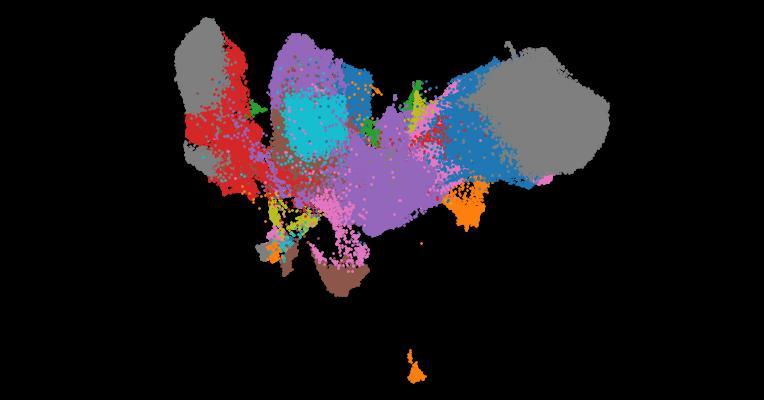
Age group
Assay
Cell type
Cell type (HGCA level1)
Cell type (HGCA level2)
Cell type (HGCA level3)
Cell type (HGCA level4)
Cell type (HGCA level5)
Cell type (HGCA v0)
Cell type (QC lineage)
Cell type (atlas mapped)
Cell type (author)
Cell type (closest GCA)
Cell type - canonical marker genes
Cell type - marker gene evidence
Cell viability
Description
Disease
Donor living at sample collection
Sample ID
Sample collection method
Sample collection site
Sample collection year
Sample preservation method
Sample source
Sampled site condition
Sex
Subject ID
Tissue
Tissue (level 0)
Tissue (level 1)
Tissue (level 2)
Tissue source
CD8 Circulating Effector Memory18,471 cells CD8 Effector Memory12,263 cells GC B Dark Zone (GC B DZ)10,748 cells GC B Light Zone (GC B LZ)6,982 cells Gamma Delta T Cells2,946 cells CD8 Memory Exhausted1,209 cells Innate Lymphoid Cells (ILC)10,962 cells Memory B Cells45,602 cells Naive B Cells33,898 cells Unconventional T Cells23,035 cells Germinal Center B Cells (GC B)17,730 cells Plasmacytoid Dendritic Cells (pDC)133 cells CD8 Resident Memory T cells (TRM)130,081 cells Memory B Cells45,602 cells Naive B Cells33,898 cells CD8 Circulating Effector Memory18,471 cells CD8 Effector Memory12,263 cells Mucosa Associated Invariant T cells (MAIT)2,975 cells Gamma Delta T Cells2,946 cells CD8 Memory Exhausted1,209 cells Plasmacytoid Dendritic Cells (pDC)133 cells CD8 Resident Memory T cells (TRM)130,081 cells Memory B Cells45,602 cells Naive B Cells33,898 cells CD8 Circulating Effector Memory18,471 cells CD8 Effector Memory12,263 cells Thymus Derived Treg (tTreg)10,587 cells Peripherally Derived Treg (pTreg)4,808 cells Mucosa Associated Invariant T cells (MAIT)2,975 cells Gamma Delta T Cells2,946 cells Follicular Regulatory T (Tfr)2,407 cells CD8 Memory Exhausted1,209 cells Plasmacytoid Dendritic Cells (pDC)133 cells CD8 Effector/Memory30,991 cells B Marginal zone (MZB)23,632 cells CD8 Circulating Effector/Memory22,267 cells GC B Dark Zone21,173 cells GC B Light Zone16,106 cells CD8 Memory/Exhausted2,099 cells GC B Germinal Center18,220 cells T Unconventional4,853 cells B_plasma_IgA118,324 cells Tnaive/cm_CD411,268 cells T cells CD4 FOSB6,369 cells T cells CD4 IL17A5,558 cells IELs ID3 ENTPD13,568 cells T cells CD8 KLRG13,399 cells T cells Naive CD41,718 cells Memory B activated1,258 cells NK cells KLRF1 CD3G-1,189 cells B cells AICDA LRMP1,033 cells Naive CD8 T cell521 cells nk_ilc_precursor188 cells IgA Kappa IGHV3+184 cells stromal 1 fibroblasts21 cells monocytes/macrophages13 cells stromal 3 fibroblasts12 cells stromal 4 fibroblasts7 cells smooth muscle cells6 cells stromal 2 fibroblasts5 cells blood endothelial cells4 cells undiff/early enterocyte2 cells Monocytes S100A8 S100A92 cells Macrophages PLA2G2D2 cells proliferating cells1 cells Pericyte NDUFA4L2+1 cells Endothelial cells CD361 cells Macrophages CCL3 CCL41 cells GC B Germinal Center18,220 cells T Unconventional4,853 cells ITGAE,CD69,ITGA1130,081 cells CD45RO,CCR7,IL7R55,896 cells CD27,CD80,CD8645,602 cells RORC,IL17A,CCR645,218 cells ITGAE,CD69,CD16041,143 cells JCHAIN,IG* genes38,083 cells IGHM,IGHD,TCL1A33,898 cells BCL6,CXCR5,PDCD1,FOXP324,832 cells CX3CR1,GZMH,KLRG118,471 cells TRAV24,ZBTB16,FCER1G17,114 cells CCR7,IL7R,SELL16,416 cells GZMB,PRF1,KLRG112,263 cells CXCR4,AICDA,MKI6710,748 cells IKZF2,GATA3,FOXP310,587 cells CD83,CXCR5,BCL66,982 cells NKG7,GNLY,PRF16,512 cells IL1R1,RORC,IL10,FOXP34,808 cells RORC,IL23R,IL224,450 cells CCR7,LEF1,TCF74,146 cells TRAV1-2,KLRB1,ZBTB162,975 cells TRDC,TRGC2,TRDV12,946 cells CXCR5,IL10,BCL62,407 cells IL10,TGFB,TBX211,878 cells PDCD1,HAVCR2,TOX1,209 cells LILRA4,PLD4,IL3RA133 cells CD8A,CD8B,ITGAE,CD69,ITGA1,RORA130,081 cells CD69,SELL,CD27,HLA-DRA45,602 cells RORC,IL17A,IL22,IL21,CSF2,IL23R45,218 cells ITGAE,CD160,KLRC2,KIR2DL4,NCR1,NCR2,NCR3,CD7,CD24441,143 cells JCHAIN,IG* genes38,083 cells BCL6,CXCR5,CD40LG,CXCL13,FOXP324,832 cells FGFBP2,CX3CR1,GZMH,GZMK18,471 cells FCER1G,HOPX,TRAV2417,114 cells CD4,CCR7,LEF1,IL7R,KLF2,S1PR5,SELL16,416 cells IL2,GZMA,GZMK,GZMB,KLRG112,263 cells CXCR4,AICDA,RGS13,NEIL1,BCL7A10,748 cells IKZF2,GATA3,FOXP310,587 cells BANK1,TNFRSF13C,CD836,982 cells GNLY,EOMES,PRF1,NKG76,512 cells IL1R1,RORC,IL10,FOXP34,808 cells KRT86,RORC,IL7R4,450 cells CD8A,LEF1,CCR74,146 cells LGALS3,ZBTB16,TRAV1-2,TRAJ332,975 cells TRGC1,TRDC,TRDV1,TRDV2,TRDV3,KLRK12,946 cells CXCR5,IL10,BCL6,FOXP3,IL2RA2,407 cells IL10,TGFB,TBX211,878 cells LAG3,HAVCR2,PDCD1,LAYN,CTLA4,BATF1,209 cells LILRA4,PLD4,IL3RA,CLIC3,CLEC4C133 cells A single cell dataset with 14 non-IBD healthy controls28,334 cells In total, we processed endoscopically non-inflamed biopsies from the ascending colon from 19 patients with Crohn’s disease and 23 control subjects.22,669 cells Crohn disease64,598 cells colorectal cancer17,163 cells digestive system disorder11,275 cells cystic fibrosis associated meconium ileus61 cells necrotizing enterocolitis45 cells 778C-JEJEPI-29519,028 cells 768B-JEJEPI-2777,531 cells 694B-JEJLP-2087,205 cells 640C-JEJEPI-1267,194 cells 640C-JEJLP-1275,290 cells Human_colon_16S81239215,281 cells 768B-JEJLP-2784,386 cells Helm_CH_7109_RC_Epi4,228 cells 647C-JEJLP-1443,800 cells p028_T0D_ILE_LPS_3p3,274 cells p030_T0D_ILE_LPS_3p3,156 cells 694B-JEJEPI-2073,140 cells 4861STDY71359142,725 cells 778C-JEJLP-2962,624 cells HT-185-Adult-duo2,621 cells 4861STDY71359132,532 cells p033_T0D_ILE_LPS_3p2,471 cells 4861STDY71359122,261 cells Human_colon_16S81178282,157 cells HT-188-Adult-Duo2,009 cells 4861STDY71359111,886 cells 4918STDY73334561,862 cells 637C-JEJEPI-1091,786 cells Human_colon_16S72556821,735 cells 4861STDY71359181,580 cells 4861STDY71359161,549 cells Helm_CH_7131_RC_Epi1,537 cells Human_colon_16S80019031,293 cells 4861STDY72084171,254 cells SR1803_20221111_004_N_E1,213 cells Helm_I3_5241_RC_Str1,205 cells 4918STDY77026791,153 cells 4861STDY72084111,140 cells 4861STDY72084131,127 cells 4918STDY74478251,092 cells 4861STDY72084101,069 cells 4861STDY72084161,054 cells SR1803_20240117_012_N_E1,014 cells SR1803_20230131_007_N_E1,013 cells Human_colon_16S72556781,009 cells Helm_CH_7172_RC_Epi968 cells Human_colon_16S7255676948 cells Helm_I3_5250_RC_Epi941 cells Human_colon_16S8000484930 cells p023_T0D_ILE_LPS_3p903 cells Human_colon_16S8123916897 cells Helm_I3_5248_RC_Str873 cells Helm_CH_7125_RC_Str873 cells Helm_CH_7152_RC_Str812 cells Helm_CH_7045_RC_Str765 cells Helm_CH_7131_RC_Str748 cells Helm_CH_7125_RC_Epi747 cells Helm_I3_5249_RC_Str717 cells Helm_CH_7147_RC_Str713 cells Human_colon_16S8117829635 cells Helm_I3_5250_RC_Str633 cells Helm_CH_7109_RC_Str631 cells Helm_CH_7172_RC_Str597 cells Helm_CH_7051_RC_Str594 cells Human_colon_16S7255680593 cells Human_colon_16S8159191587 cells Helm_CH_7052_RC_Str568 cells Human_colon_16S7255677561 cells Helm_I3_5249_RC_Epi559 cells Helm_CH_7200_RC_Epi525 cells Human_colon_16S8117830511 cells Human_colon_16S8002626456 cells Helm_CH_7175_RC_Str449 cells Human_colon_16S8123919439 cells Human_colon_16S8002629420 cells Human_colon_16S8123917395 cells Helm_I3_5246_RC_Str389 cells Human_colon_16S8159194387 cells p050_T0D_ILE_LPS_3p386 cells SR1803_20221207_006_N_E379 cells Helm_I3_5244_RC_Str368 cells Human_colon_16S8123913354 cells p009_T0D_ILE_LPS_3p337 cells Human_colon_16S8001907324 cells Helm_CH_7142_RC_Str305 cells Human_colon_16S7255681293 cells Human_colon_16S8002624261 cells p043_T0D_ILE_LPS_3p259 cells Human_colon_16S8001871239 cells Human_colon_16S8117831230 cells Helm_CH_7075_RC_Epi225 cells Human_colon_16S8123920224 cells Helm_I3_5245_RC_Epi214 cells p034_T0D_ILE_LPS_3p200 cells Helm_CH_7175_RC_Epi200 cells Human_colon_16S8159193191 cells Helm_I3_5246_RC_Epi190 cells Human_colon_16S7255675181 cells Helm_CH_7045_RC_Epi178 cells Human_colon_16S8002628176 cells Human_colon_16S8001869163 cells Helm_CH_7142_RC_Epi132 cells Helm_I3_5243_RC_Epi131 cells Helm_CH_7090_RC_Epi129 cells Human_colon_16S8000513120 cells Helm_I3_5244_RC_Epi112 cells Human_colon_16S815919298 cells Helm_I3_5248_RC_Epi93 cells p035_T0D_ILE_LPS_3p93 cells Human_colon_16S800190589 cells p049_T0D_ILE_LPS_3p86 cells Helm_I3_5242_RC_Epi73 cells Human_colon_16S800262372 cells Human_colon_16S812391872 cells Helm_CH_7152_RC_Epi71 cells Human_colon_16S800262567 cells Helm_I3_5241_RC_Epi64 cells 1127_No selection61 cells Helm_CH_7052_RC_Epi46 cells 1109_No selection45 cells p037_T0D_ILE_LPS_3p45 cells Human_colon_16S812391144 cells Helm_CH_7051_RC_Epi35 cells p044_T0D_ILE_LPS_3p35 cells Human_colon_16S800186531 cells Helm_CH_7147_RC_Epi31 cells p017_T0D_ILE_LPS_3p30 cells Human_colon_16S800186715 cells Human_colon_16S80005118 cells Human_colon_16S80018855 cells Human_colon_16S80018735 cells Human_colon_16S81239085 cells Human_colon_16S80018635 cells Human_colon_16S80005154 cells Human_colon_16S80018754 cells Human_colon_16S80018833 cells Human_colon_16S80004712 cells Human_colon_16S80004792 cells Human_colon_16S80018792 cells Human_colon_16S81239102 cells Human_colon_16S80004771 cells surgical resection275,838 cells Columbia University, New York102,218 cells University of Cambridge, UK66,851 cells ambient temperature543,999 cells frozen at -80C28,401 cells Elmentaite202026,753 cells HamiltonHelmsley22,669 cells ArendsHelmsley3,619 cells 7420_Jaeger202111,537 cells FA609_FA611_FA6127,824 cells 1425_Jaeger20217,535 cells patient13_Martin20193,087 cells patient10_Martin20191,835 cells patient14_Martin20191,711 cells patient16_Martin20191,651 cells patient8_Martin20191,645 cells patient11_Martin20191,435 cells patient7_Martin20191,385 cells SR1803_20221111_004_N_E1,213 cells patient15_Martin20191,044 cells SR1803_20240117_012_N_E1,014 cells SR1803_20230131_007_N_E1,013 cells patient12_Martin2019916 cells SR1803_20221207_006_N_E379 cells patient5_Martin2019178 cells patient6_Martin2019148 cells ascending colon38,915 cells gastrointestinal system mesentery26,117 cells transverse colon8,911 cells vermiform appendix608 cells descending colon412 cells small intestine358,994 cells large intestine187,289 cells ascending colon38,915 cells gastrointestinal system mesentery26,117 cells transverse colon8,911 cells vermiform appendix608 cells descending colon412 cells surgical donor340,133 cells living organ donor175,928 cells postmortem donor56,339 cells 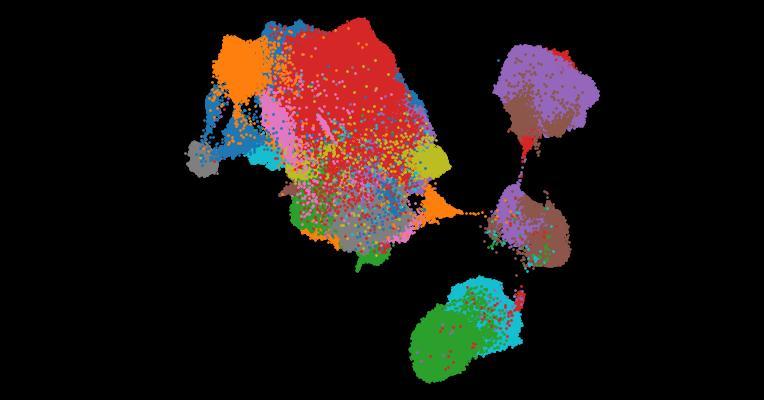
Library ID
Sample ID
Subject ID
Tissue
Slide name
Spaceranger ID
Assay
Spaceranger version
Reference genome
Leiden clustering
Disease
Age group
spaceranger311_count_36090_WSSS_A_GUTsp9518706_1_GRCh38-2020-A3,172 cells spaceranger311_count_36090_WSSS_A_GUTsp9518707_1_GRCh38-2020-A2,570 cells spaceranger311_count_36090_WSSS_A_GUTsp9518708_1_GRCh38-2020-A2,214 cells spaceranger311_count_36090_WSSS_A_GUTsp9518709_1_GRCh38-2020-A911 cells mesenteric lymph node911 cells A38-REC-1-FO-23,172 cells A50_DUO-2-FO-12,570 cells A50-SCL-1-FO-12,214 cells WSSS_A_GUTsp95187063,172 cells WSSS_A_GUTsp95187072,570 cells WSSS_A_GUTsp95187082,214 cells WSSS_A_GUTsp9518709911 cells