Single-cell spatial transcriptomic analysis of human skin anatomy
Cite
Restrepo, P., Wilder, A., Houser, A., Sandhu, H. S., Ramirez, A., Grace Hren, M., Gill, R., Kazmi, A., Chen, L., Nigro, A., Imanishi, I., Demircioglu, D., Hasson, D., Soto, A., McQuillan, S., Gonzalez-Kozlova, E., Brody, R., Ungar, B., Kasper, M., … Ji, A. L. (2026). Single-cell spatial transcriptomic analysis of human skin anatomy. Nature Genetics.
https://doi.org/10.1038/s41588-026-02552-8
Abstract
The skin is the largest human organ and a site of substantial disease burden, yet its cellular and molecular organization across the body is largely undefined. Here we construct an organ-wide single-cell spatial atlas of ~1.2 million cells from normal adult human skin, resolving the location of 45 cell types across 114 samples encompassing 15 anatomic sites. We uncover site-specific stereotypic cell-type composition and their organization into ten multicellular neighborhoods, most notably a perivascular neighborhood reminiscent of skin-associated lymphoid tissue. Within this neighborhood, ligand–receptor (L–R) analyses identify a central role for tumor necrosis factor in maintaining CCL19+ perivascular fibroblasts, highlighting homeostatic immune–stromal crosstalk. Finally, comparing neighborhood dynamics in spatial transcriptomics of skin disease, we find pan-disease immune alterations in this perivascular neighborhood, suggesting spatial compartmentalization of pathogenic activity. Thus, multicellular neighborhoods underlie the skin’s multiscale molecular to macroanatomic organization, orchestrate cell–cell interactions and anatomic site specialization and exhibit architectural disruption in disease.
Datasets
1. Single-cell RNA-seq data
Explore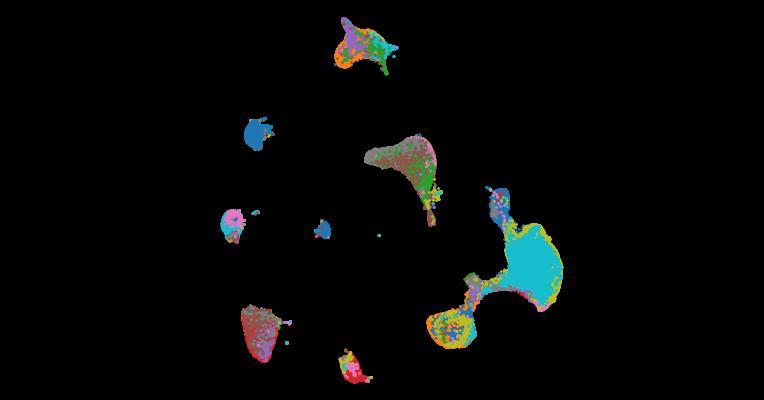
2. Visium ST data
Explore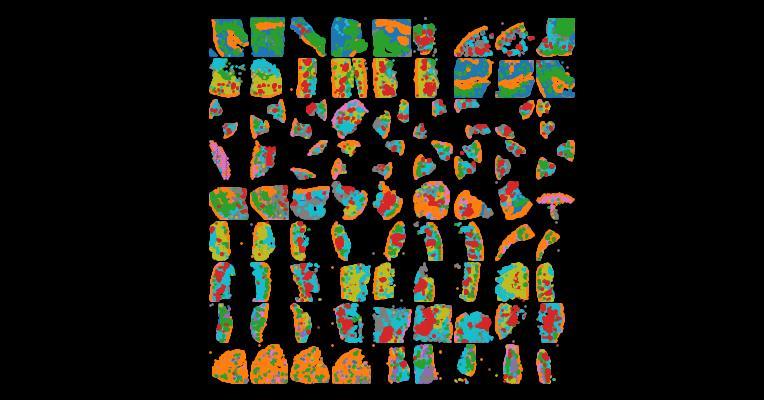
3. MERFISH data
Explore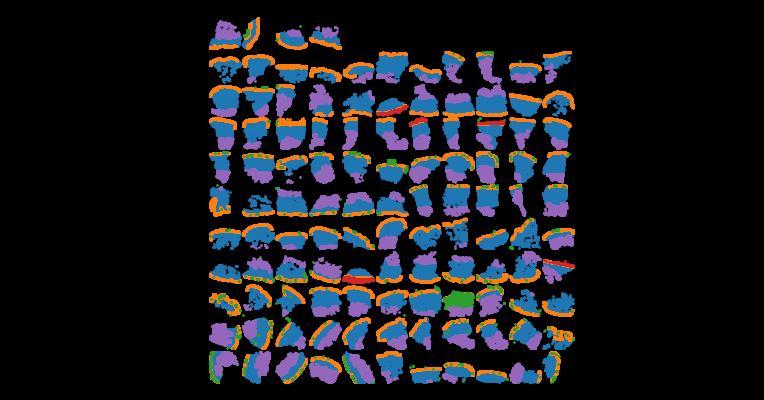
Alias names
S-BIAD2376